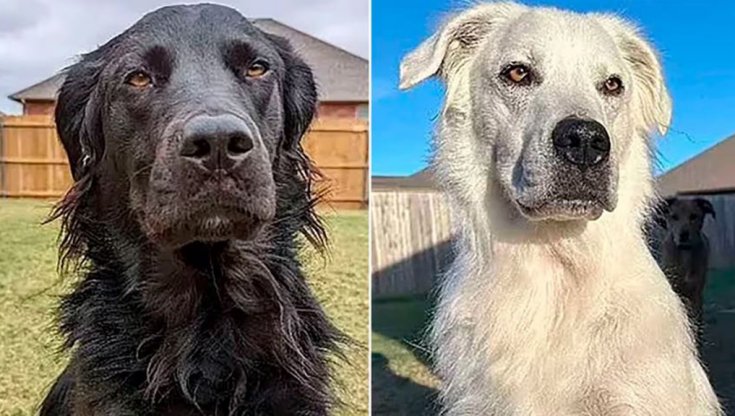
Anziana lascia $2,8 milioni di eredità ai suoi animali

Elderly woman leaves $2.8m fortune to pets

Una anziana signora cinese ha deciso di lasciare tutti i suoi soldi, 20 milioni di yuan (circa 2,8 milioni di dollari) ai suoi cani e gatti.

La donna ha dichiarato che, A differenza dei suoi tre figli, i suoi animali domestici sono sempre stati accanto a lei.

I suoi tre figli, invece, non sono mai andati a trovarla negli ultimi anni, e non l’hanno aiutata quando era malata.

Keywords

anziana: elderly

a differenza di: unlike

animale domestico: pet

andare a trovare: to visit

malato/a: ill

Grammar

Pronome diretto LA
Direct object pronoun LA

“non sono mai andati a trovarla”
(
have never visited her)

A direct object pronoun replaces a noun used as a direct object, it must therefore agree in gender and number with the noun it refers to.
For the 3rd person FEMININE SINGULAR we use the pronoun “LA”.
Normally comes before the verb:

– Prendo la rivista e LA (= la rivista) leggo (I get the magazine and read IT)
– LA vuoi o non LA vuoi? (Do you want IT/HER or not?)

BUT: if there are two verbs, or the verb is in the gerund, imperative or infinitive form, the pronoun follows the verb:
– Vai a prenderLA (= lei)! (Go get HER!)
– LeggendoLA (= la rivista) di nuovo, mi è piaciuta di più (Reading IT again, I liked it more)
– Vuoi la mia rivista? PrendiLA (= la rivista)! (Do you want my magazine? Take IT!)

Translation

An elderly Chinese lady has decided to leave all of her money, 20 million yuan (approximately 2.8 million dollars), to her dogs and cats.

The woman declared that, unlike her three children, her pets have always been by her side.

Her three children, on the other hand, have never visited her in recent years and did not help her when she was ill.