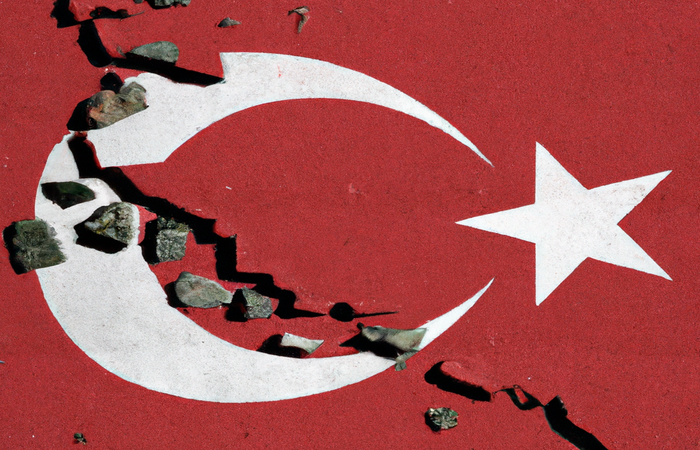
Il forte terremoto a Taiwan

Violent earthquake in Taiwan

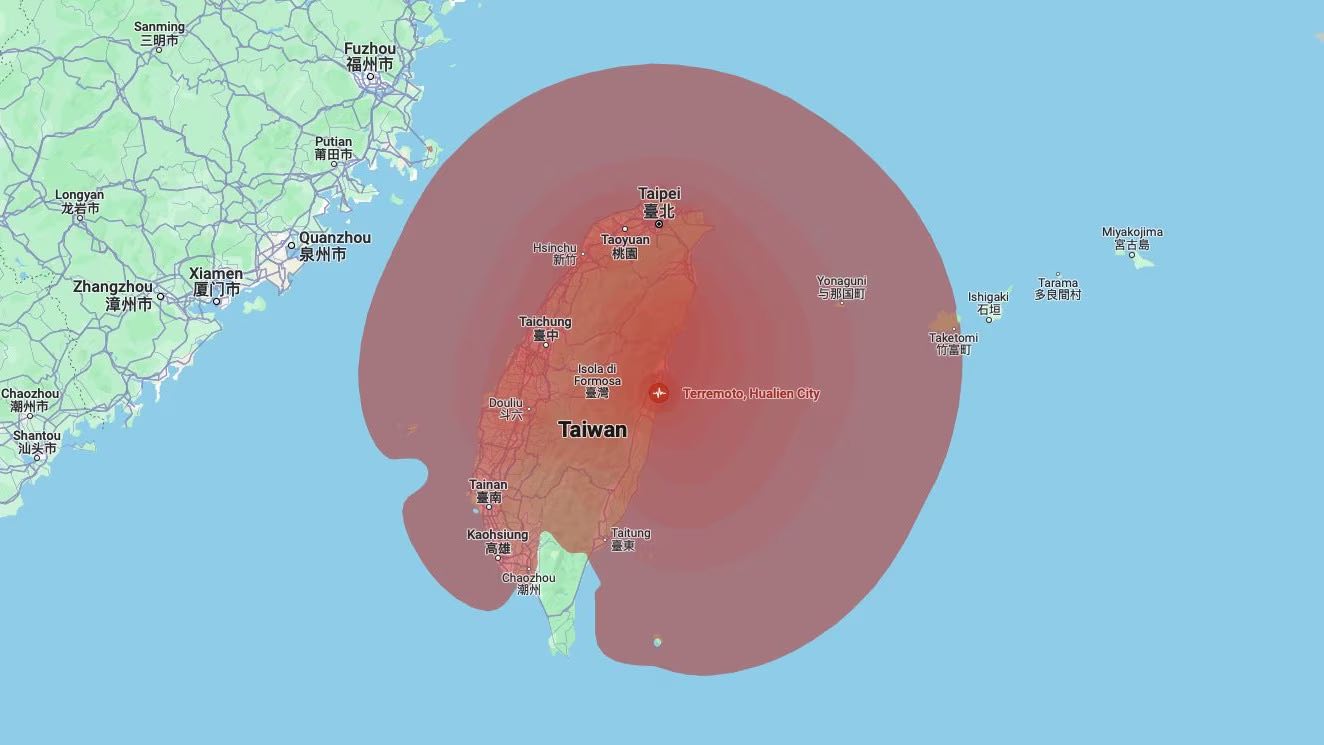
Mercoledì mattina c’è stato un forte terremoto a Taiwan. 

molti palazzi sono crollati, e ci sono almeno nove morti e 800 feriti.

È il terremoto più forte degli ultimi 25 anni, a Taiwan.

secondo i soccorsi, ci sono ancora molte persone disperse.

Read intermediate | advanced levels

Keywords

terremoto (earthquake)
Example: Il terremoto ha causato gravi danni agli edifici.

disperso (missing)
Example: Per fortuna hanno ritrovato il bambino disperso

soccorsi (rescue teams)
Example: I soccorsi sono già sul posto

Grammar

C’è / ci sono = “there is / there are”

The verb ESSERE is used in the expressions “c’è” (there is) followed by a singular noun, and “ci sono” (there are) followed by a plural noun:

C’È + SING. NOUN → THERE IS
CI SONO + PLUL. NOUN → THERE ARE

Note that in the singular form, the pronoun CI is replaced by the cut version with the apostrophe, which is easier to pronounce before a vowel:
CI È → C’È

Examples:
– C’È un problema (THERE IS problem)
– CI SONO due libri (THERE ARE two books)
– C’È qualcuno? (IS someone THERE?)

Here are the most common conjugations for the indicative tense:
PASSATO PROSSIMO: c’è stato/a – ci sono stati/e
IMPERFETTO: c’era – c’erano
FUTURO SEMPLICE: ci sarà – ci saranno

Translation

Wednesday morning there was a strong earthquake in Taiwan.

Many buildings collapsed, and there are at least nine deaths and 800 injured.

It’s the strongest earthquake in the last 25 years in Taiwan.

According to rescue teams, there are still many people missing.