Chi è Babbo Natale?

Who is Santa Claus?

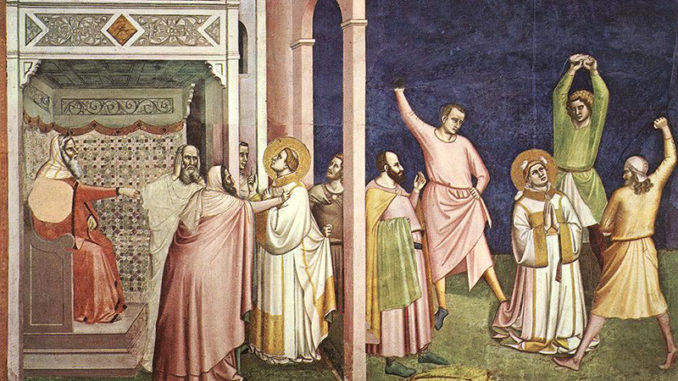
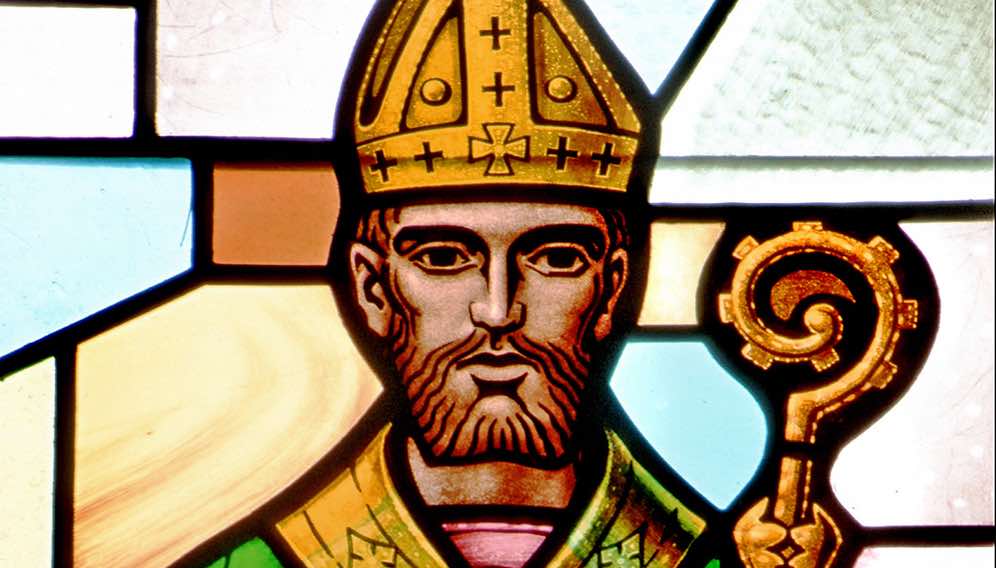
La storia di Babbo Natale è abbastanza complessa. secondo l’Enciclopedia Britannica, la figura di Babbo Natale viene da quella di San Nicola di Bari.

San Nicola era il vescovo di Myra, una città della Turchia. Il suo corpo è stato portato a Bari, in Italia, dopo la sua morte, che si celebra il 6 dicembre.

La celebrazione di San Nicola è da sempre legata alla tradizione dei regali per i bambini, probabilmente a causa della sua abitudine di fare regali segreti.

La versione olandese di San Nicola, “Sinterklaas” (cioè Saint Nicholas in inglese) è stata portata nella colonia americana di New Amsterdam, la futura New York, e proprio Qui si è trasformata definitivamente in Santa Claus.

Dopo la Seconda guerra mondiale, la diffusione della cultura americana nel mondo ha reso la figura di Santa Claus popolare anche in Italia, dove ha sostituito Gesù Bambino, Santa Lucia o San Nicola come portatore di regali ai bambini.

E voi, che regali avete ricevuto Quest’anno?

Keywords

Babbo Natale: Santa Claus – 圣诞老人

il vescovo: bishop – 主教

Turchia: Turkey – 土耳其

a causa di: because of the – 由于, 因为

la colonia: colony – 殖民地

trasformarsi: to become, turn into – 变成

rendere: to make – 使, 让

Grammar

Avverbi in -mente
Adverbs ending in -mente

In Italian, adverbs ending in “-mente” are formed by taking the feminine form of an adjective and adding the suffix “-mente” to it. These adverbs are used to modify the verb or adjective that follows them and usually indicate how an action is performed:

  • facile > facilmente (easily) – “Ho risolto il problema facilmente.” (I solved the problem easily)
  • lenta > lentamente (slowly) – “Sto camminando lentamente.” (I am walking slowly)
  • certa > certamente (certainly) – “Certamente ti aiuterò” (I will certainly help you)
  • definitiva > definitivamente (definitely) – “Ha deciso definitivamente di non venire” (He has definitely decided not to come)
  • rapida > rapidamente (quickly) – “Ho finito il lavoro rapidamente” (I finished the work quickly)
  • triste > tristemente (sadly) – “Parlava tristemente della sua situazione” (She spoke sadly about her situation)

It’s worth noting that not all Italian adverbs end in “-mente”. Other adverbs are formed differently, such as “molto” (very), “bene” (well), and “male” (poorly)

Translation

The story of Santa Claus is quite complex. According to the Encyclopedia Britannica, the figure of Santa Claus comes from that of Saint Nicholas of Bari.

Saint Nicholas was the bishop of Myra, a city in Turkey. His body was brought to Bari, Italy, after his death, which is celebrated on December 6th.

The celebration of Saint Nicholas has always been associated with the tradition of giving gifts to children, probably due to his habit of secretly giving gifts.

The Dutch version of Saint Nicholas, “Sinterklaas” (which means Saint Nicholas in English), was brought to the American colony of New Amsterdam, which would later become New York, and it was there that he finally transformed into Santa Claus.

After World War II, the spread of American culture around the world made the figure of Santa Claus popular even in Italy, where he replaced Baby Jesus, Saint Lucia, or Saint Nicholas as the bringer of gifts to children.

And you, what gifts did you receive this year?

Quiz

Pronti?