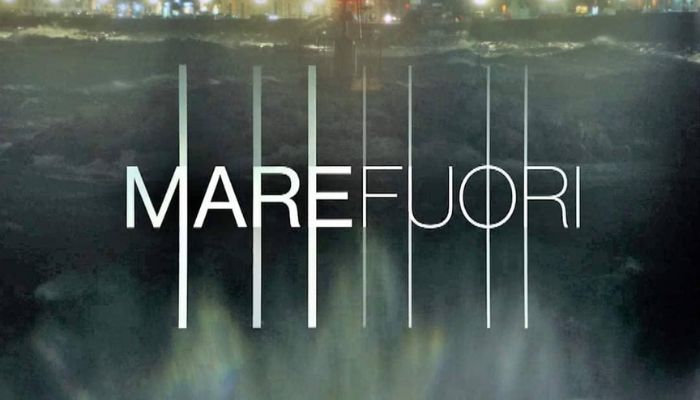
Mare Fuori, la serie teen italiana conquista Netflix

Mare Fuori, the Italian teen drama conquers Netflix

Un “successo fulminante”: così il New York Times ha definito mare fuori, la serie del momento su Netflix.

Sebbene sia diventata famosa da poco all’estero, in Italia Mare Fuori è stata un grande successo fin dalla prima stagione, soprattutto tra gli adolescenti.

Mare Fuori è un teen drama che racconta la vita di alcuni ragazzi in un carcere minorile di Napoli, da dove si può vedere il “mare fuori”.

La serie inizia quando Carmine e Filippo vengono arrestati. I due ragazzi, Nonostante siano molto diversi, diventano subito grandi amici e si aiutano nel difficile ambiente del carcere.

Mare Fuori, quindi, parla di criminalità, ma anche di amicizia, relazioni e soprattutto di amore. Insomma, parla la lingua dei ragazzi di tutto il mondo.

grazie al successo su Netflix anche all’estero, la quarta stagione è già in lavorazione, e dovrebbe uscire nel 2024.

Keywords

fulminante: lightning-fast – 极快的

adolescente: teenager – 青少年

il carcere minorile: juvenile detention center – 青少年拘留中心

arrestare: to arrest – 逮捕

la criminalità: crime – 犯罪

le relazioni: relationships – 关系

in lavorazione: in progress – 进行中

Grammar

Sebbene/nonostante + congiuntivo: frase concessiva
Sebbene/nonostante + subjunctive: concessive clause

“Sebbene sia diventata famosa da poco all’estero”
(Although it has recently gained fame abroad)

The conjunctions “sebbene” and “nonostante” introduce a concessive clause, indicating that there is a contrast or concession between the two parts of the sentence.
In Italian, concessive clauses introduced by some conjunctions of “contrast”, must be followed by subjunctive mood:

  • benché + subjunctive
  • sebbene + subjunctive
  • nonostante + subjunctive
  • malgrado + subjunctive

For example:

  • Sebbene piova, uscirò per una passeggiata. (Although it’s raining, I will go out for a walk.)
  • Benché piovesse, siamo usciti lo stesso. (Even though it was raining, we went out.) 
  • Esco nonostante sia stanco. (I go out even though I’m tired.)
  • Vorrei mangiare malgrado non abbia fame. (I’d like to eat even though I’m not hungry.)

Translation

A “thunderous success”: that’s how the New York Times defined Mare Fuori the current hit series on Netflix.

Although it has recently gained fame abroad, in Italy Mare Fuori has been a big success since its first season, especially among teenagers.

Mare Fuori is a teen drama that tells the story of some young people in a juvenile detention center in Naples, where they can see the “mare fuori” (“sea outside.”)

The series begins when Carmine and Filippo are arrested. Despite their differences, the two boys quickly become close friends and support each other in the challenging prison environment.

So, Mare Fuori talks about crime, but also about friendship, relationships, and above all, love. In short, it speaks the language of young people all over the world.

Thanks to its success on Netflix abroad as well, the fourth season is already in production and is expected to be released in 2024.

Quiz

Pronti?