
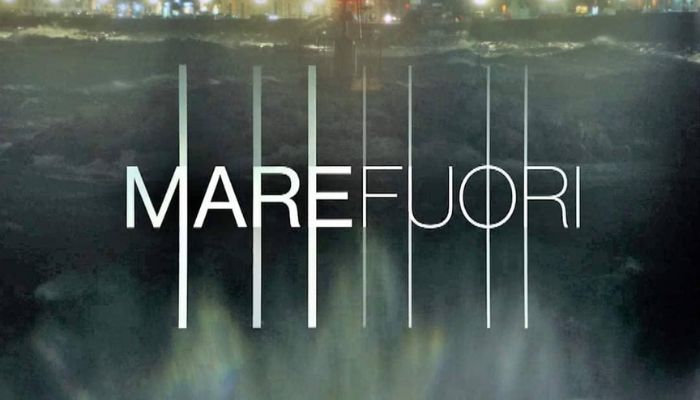
Mare Fuori, la serie teen italiana conquista Netflix

Mare Fuori, the Italian teen drama conquers Netflix

Una «steamy hit», cioè un successo fulminante. così il New York Times ha definito mare fuori, la serie del momento su Netflix.

Sebbene sia stata scoperta da poco all’estero, in Italia Mare Fuori è stata un successo travolgente fin dalla prima stagione, diventando una serie di culto tra i giovani e giovanissimi.

Lanciata nel 2020, Mare Fuori è un teen drama che racconta le vicende di un gruppo di giovani detenuti in un carcere minorile di Napoli, dalle cui finestre è possibile solamente vedere il “mare fuori”.

La serie inizia il giorno in cui Carmine e Filippo vengono arrestati e portati nell’istituto. È Qui dentro che i due, benché caratterialmente molto diversi, stringono un profondo legame di amicizia, aiutandosi a vicenda in quell’ambiente ostile.

tuttavia, Mare Fuori affronta non solo il tema della criminalità, ma soprattutto dell’amicizia, dell’abbandono, della solitudine e dell’amore. Insomma, parla la lingua degli adolescenti di tutto il mondo.

visto il successo ottenuto anche all’estero Grazie a Netflix, la riprese della quarta stagione sono già iniziate, e i nuovi episodi dovrebbero uscire nella primavera del 2024.

Keywords

fulminante: lightning-fast – 极快的

travolgente: overwhelming – 压倒性的

di culto: cult, iconic – 邪典, cult片, 经典

detenuto/a: detainee, inmate – 被拘留者, 囚犯

il carcere minorile: juvenile detention center – 青少年拘留中心

arrestare: to arrest – 逮捕

ostile: hostile – 敌对的

la criminalità: crime – 犯罪

le riprese: filming, shooting – 拍摄

visto (il): given, considering – 因为, 由于

Grammar

Visto = considering

“Visto il successo ottenuto anche all’estero”
(Given the success it has achieved abroad)

In this sentence, the word “visto” is used as a preposition that means “given” or “considering.” 

It introduces the reason or circumstance that leads to the action or decision mentioned in the sentence.

Remember that the form changes based on the gender and number of the noun they refer to:

> VISTO/A + ART. + NOUN

Let’s see more examples of using “visto” in this way:

  • Visto il cattivo tempo, abbiamo deciso di rimanere a casa. (Considering the bad weather, we decided to stay home.)
  • Visti i tuoi risultati scolastici, sei sicuramente un bravo studente. (Considering your academic achievements, you are definitely a good student.)
  • Viste le circostanze, penso che tu abbia fatto la scelta giusta. (Considering the circumstances, I think you made the right choice.)
  • Vista la situazione economica attuale, è meglio risparmiare denaro. (Considering the current economic situation, it’s better to save money.)

Translation

A “steamy hit,” meaning a lightning-fast success. That’s how the New York Times defined Mare Fuori, the current hit series on Netflix.

Although it was discovered abroad recently, in Italy Mare Fuori has been an overwhelming success since its first season, becoming a cult series among young people.

Launched in 2020, Mare Fuori is a teen drama that tells the story of a group of young detainees in a juvenile detention center in Naples, from whose windows they can only see the “mare fuori” (“sea outside.”)

The series begins on the day Carmine and Filippo are arrested and brought to the institution. It is here that the two, although very different in character, form a deep bond of friendship, helping each other in that hostile environment.

However, Mare Fuori addresses not only the theme of crime but above all friendship, abandonment, loneliness and love. In short, it speaks the language of teenagers all over the world.

Given the success it has achieved abroad, thanks to Netflix, the filming of the fourth season has already begun, and the new episodes should be released in the spring of 2024.

Quiz

Pronti?