Chi è la Befana?

Who is the Befana?

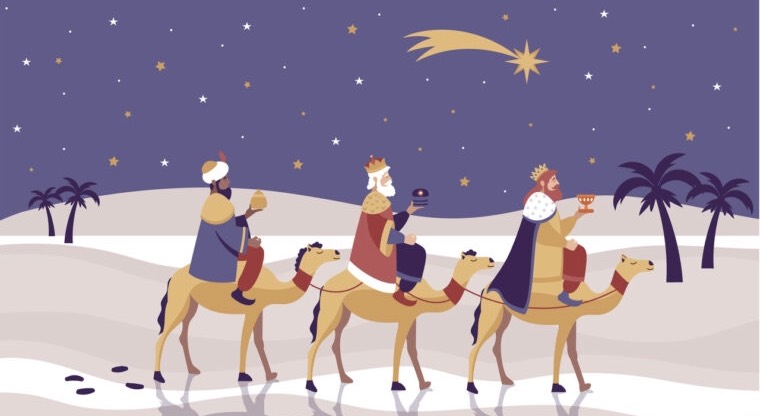
In Italia, la festa dell’Epifania significa la festa della Befana. ma chi è questa Befana?

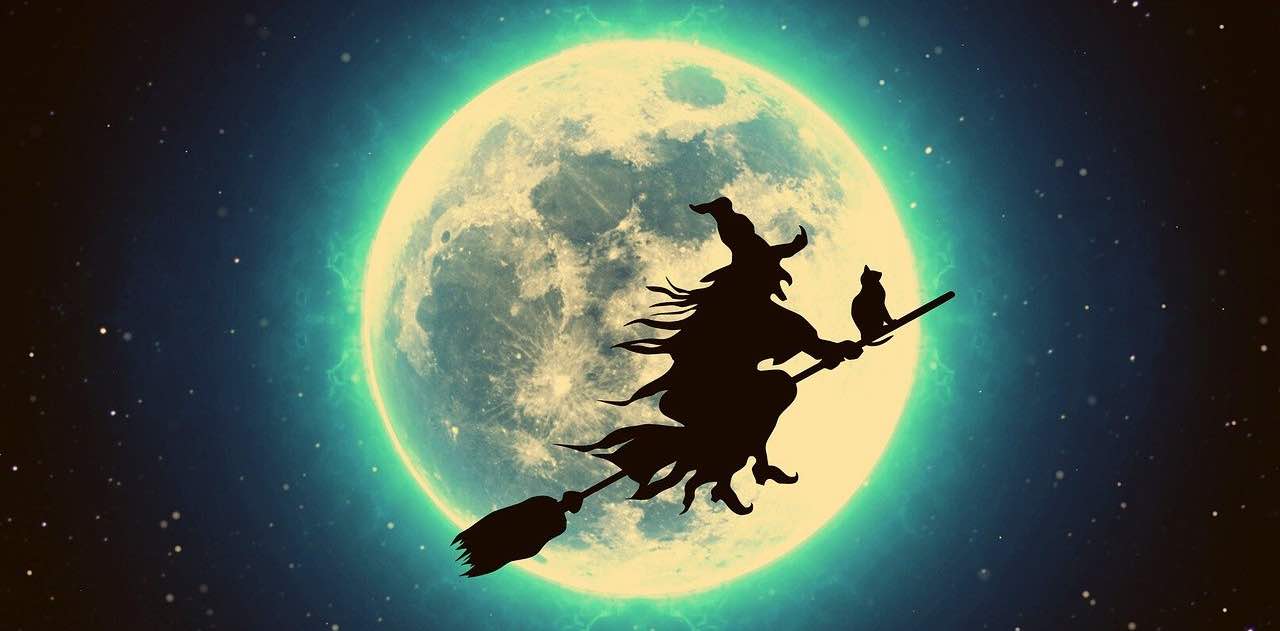
La Befana è una signora anziana vestita male. durante la notte del 5 gennaio, vola sulla sua scopa per portare regali ai bambini. Insomma, è come Babbo Natale, ma donna.

I bambini amano molto la Befana. prima di andare a dormire, lasciano una calza vuota, e sperano di trovare qualche regalo la mattina dopo.

se sono stati buoni durante l’anno, la Befana porta ai bambini dolci e regali. Se sono stati cattivi, porta solo carbone.

Keywords

anziano/a: elderly – 老年的

volare: to fly – 飞行

la scopa: broom – 扫帚

la calza: sock, stocking – 袜子, 长统袜

vuoto/a: empty – 空的

il carbone: coal – 煤炭

Grammar

Sperare + DI + v

“sperano di trovare qualche regalo”
(hope to find some gifts)

As many Italian verbs, sperare (to hope, to wish) is followed by the preposition “DI” in front of VERB (infinitive)

→ SPERARE + “DI” + V (inf.)

– Spero di tornare presto (I hope to come back soon)
– Marco spera di superare l’esame domani (Marco hopes to pass the exam tomorrow)

Translation

In Italy, does the Epiphany celebration mean the celebration of the Befana. But who is this Befana?

The Befana is an elderly lady dressed shabbily. During the night of January 5th, she flies on her broom to bring gifts to children. In short, she is like Santa Claus but woman.

Children love the Befana a lot. Before going to bed, they leave an empty stocking and hope to find some gifts the next morning.

If they have been good throughout the year, the Befana brings sweets and gifts. If they have been naughty, she brings only coal.

Quiz

Pronti?