Chi è la Befana?

Who is the Befana?

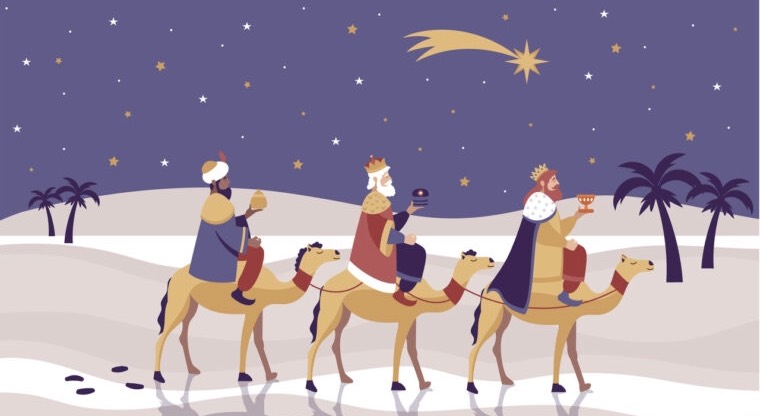
La festa dell’Epifania, in Italia, è legata alla figura della Befana. ma chi è la Befana?

Nella tradizione italiana, la Befana è un’anziana signora che porta regali ai bambini la notte del 5 gennaio. In poche parole, è un Babbo Natale “femminile”

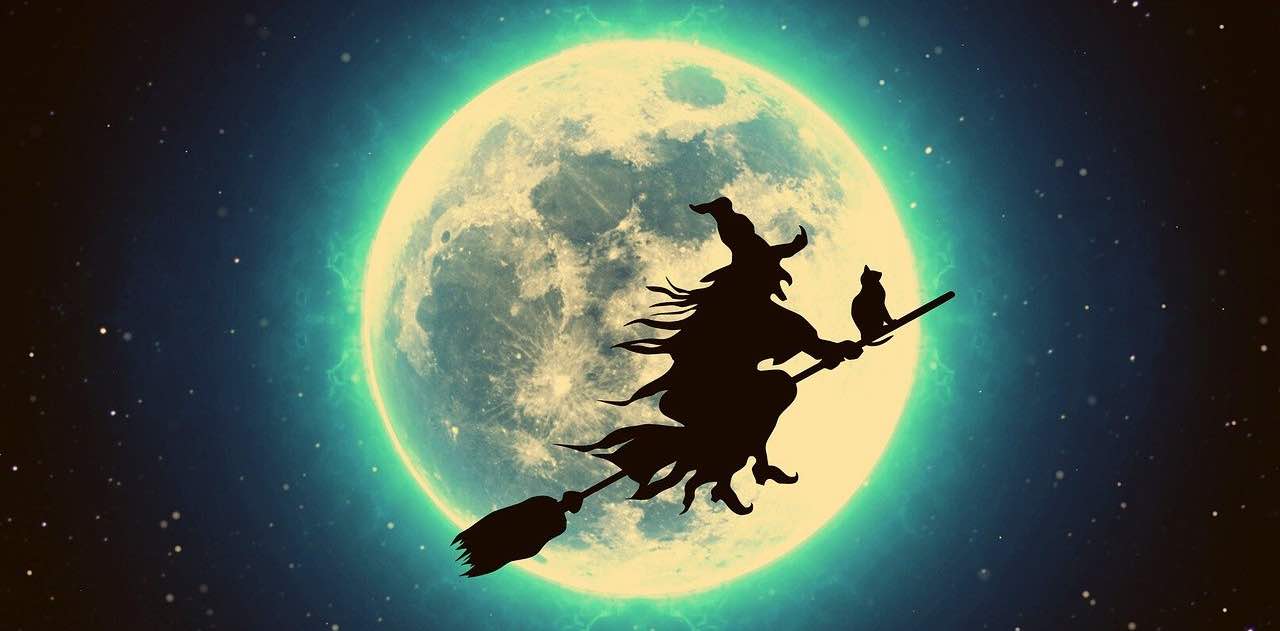
È un personaggio molto amato, e appare come una strega che vola sulla sua scopa, con un sacco pieno di regali. 

prima di andare a dormire, i bambini italiani lasciano una calza vuota in casa, e sperano di trovare qualche regalo la mattina dopo.

Ai bambini buoni, la Befana metterà nella calza dolci e giocattoli. A quelli cattivi, solamente carbone. 

Per ringraziarla, le famiglie lasciano un po’ di vino e qualcosa da mangiare sul tavolo della cucina.

Keywords

legato/a (a): linked to, tied to – 与…相关的

volare: to fly – 飞行

la scopa: broom – 扫帚

la calza: sock, stocking – 袜子, 长统袜

il carbone: coal – 煤炭

ringraziare: to thank – 感谢

Grammar

Pronome relativo CHE
Relative pronoun CHE

“una strega che vola sulla sua scopa”
(a witch flying on her broom)

In Italian, “che” is a versatile relative pronoun that connects a dependent clause (the relative clause) to a main clause, providing additional information about the subject or object of the main clause. It can refer to people, things, or concepts – in this case, the noun strega (witch)

The relative pronoun “che” is unchangeable, it remains the same regardless of gender or number. In English it’s commonly translated as “that” or “who/whom” depending on whether it refers to things or people.
Let’s see some more examples of using “che” as a relative pronoun:

  • La persona che ha vinto il premio è molto felice. (The person who won the prize is very happy.)
  • Ho comprato un libro che mi interessa molto. (I bought a book that interests me a lot.)
  • La città che ho visitato era molto bella. (The city that I visited was very beautiful.)
  • La macchina che ho comprato è molto veloce. (The car that I bought is very fast.)

Translation

The Epiphany celebration in Italy is connected to the figure of the Befana. But who is the Befana?

In Italian tradition, the Befana is an elderly lady who brings gifts to children on the night of January 5th. In a few words, she is a “female” Santa Claus.

She is a much-loved character and is depicted as a witch flying on her broom, with a sack full of gifts.

Before going to bed, Italian children leave an empty stocking at home, hoping to find some gifts the next morning.

For good children, the Befana will fill the stocking with sweets and toys. For naughty ones, only coal.

To thank her, families leave some wine and something to eat on the kitchen table.

Quiz

Pronti?