Il boom dei mercatini di Natale in Italia

The boom of Christmas markets in Italy

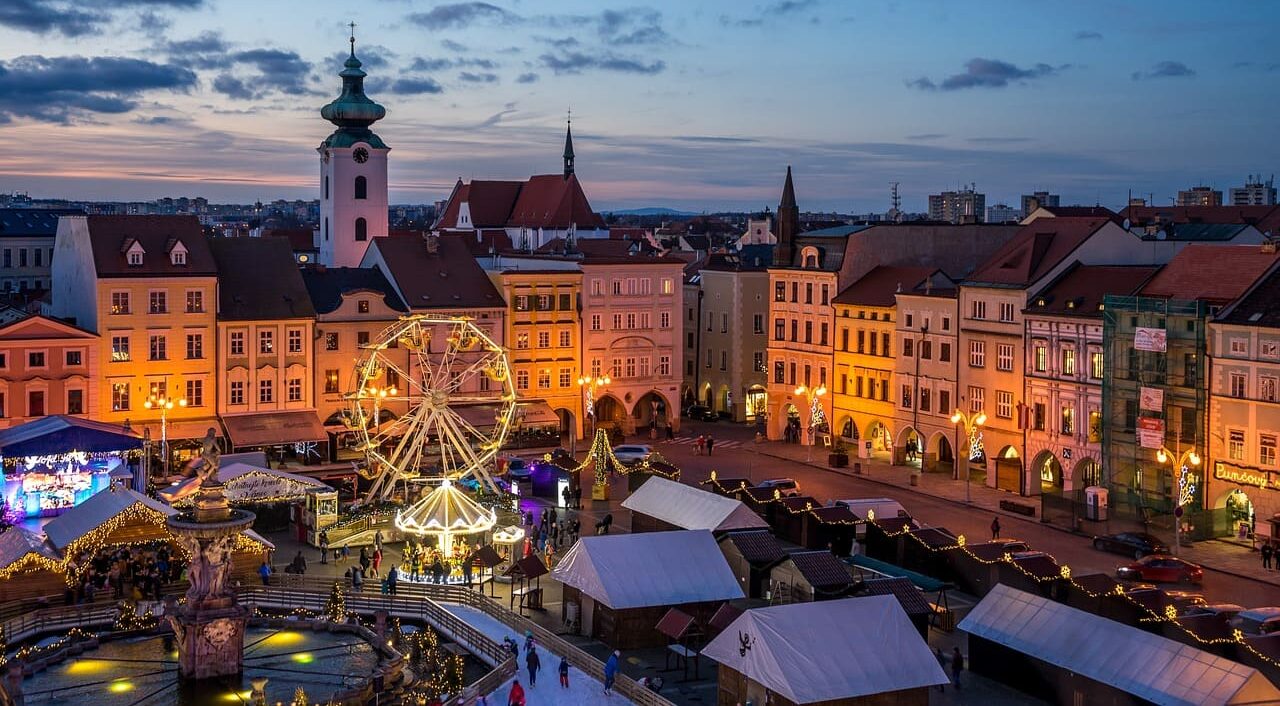
Con l’arrivo delle feste di Natale, è piuttosto facile trovare un mercatino di natale al centro di ogni città italiana.

Questi mercatini sono molto caratteristici, con casette di legno, luci colorate e neve finta. Ci si possono comprare regalini e mangiare piatti tipici tedeschi come i bretzel, i wurst e il gluhwein (il vino bollito).

Questi mercatini sono tradizionali in Austria e nel Sud della Germania, ma in Italia non c’erano fino a pochi anni fa. Negli ultimi anni c’è stato un vero e proprio boom, e si sono diffusi in tantissime città italiane.

molti sono diventati delle grosse attrazioni turistiche: per esempio quello di Arezzo, in Toscana, è diventato Il più grande d’Italia, e riceve più di un milione di turisti all’anno.

Keywords

il mercatino: street market – 露天市场

caratteristico/a: characteristic – 典型的, 特有的

la casetta: little house – 小屋

i regalini: little gifts – 小礼物

il boom: boom – 繁荣

diffondersi: to spread – 传播

l’ attrazione turistica: tourist attraction – 旅游景点

Grammar

Diminutivi
Diminutives

“un mercatino di natale”
(a Christmas market)

The words mercatino, regalino and casetta are diminutives of the words mercato, regalo and casa.
In Italian, diminutives are used not only to indicate a small size but also to convey a sense of endearment or express affection.
All forms of diminutive are formed by adding a suffix to the root word:

-ino/a:
gatto” (cat) > gattino (kitten)
ragazzo (boy) > “ragazzino” (little boy)
paese (town) > paesino” (little town)

-etto/a: 
cena (dinner) > cenetta (cute dinner)
birra (beer) > birretta (colloquial slang)

-ello/a:
paese (town) > paesello (little town)
vino (wine) > vinello (colloquia slang)

Translation

With the arrival of the Christmas holidays, it is quite easy to find a Christmas market in the center of every Italian city.

These markets are very characteristic, with wooden stalls, colorful lights, and fake snow. You can buy little gifts and eat typical German dishes such as pretzels, sausages, and mulled wine.

These markets are traditional in Austria and southern Germany, but they didn’t exist in Italy until a few years ago. In recent years, there has been a real boom, and they have spread to many Italian cities.

Many of them have become major tourist attractions. For example, the one in Arezzo, Tuscany, has become the largest in Italy, attracting more than a million tourists annually.

Quiz

Pronti?