Il canto lirico diventa Patrimonio dell’Umanità UNESCO

Italian opera singing becomes UNESCO World Heritage

Il canto lirico italiano è diventato Patrimonio dell’Umanità, ed è entrato nella famosa Lista UNESCO.

L’ha annunciato l’UNESCO sul social X. La decisione è stata presa durante la riunione del comitato UNESCO che si è tenuta in Botswana.

Il “bel canto” si aggiunge così agli altri 16 patrimoni immateriali italiani, tra cui c’è anche l’arte della pizza napoletana.

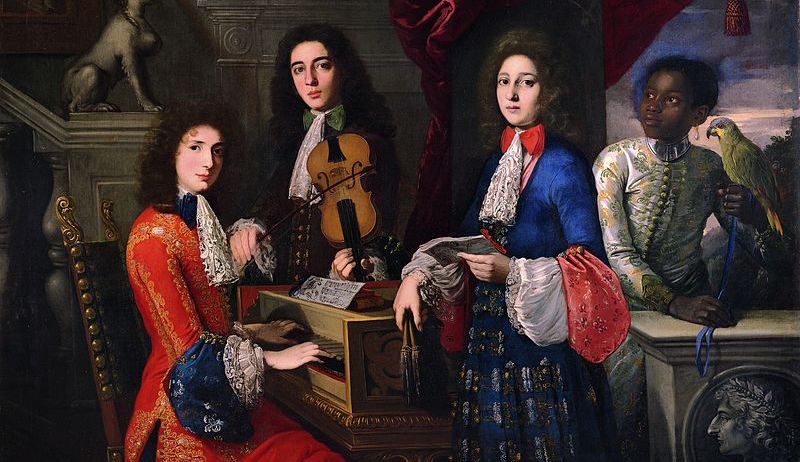
La musica lirica è nata all’incirca 400 anni fa nella Firenze della famiglia Medici, e il suo rapido successo l’ha portata in poco tempo in tutta Europa.

Keywords

il canto lirico: opera singing – 抒情歌唱

il patrimonio: heritage – 遗产

immateriale: intangible, immaterial – 非物质 , 无形的

il comitato: committee – 委员会

il “bel canto”: “beautiful singing” (opera) – 美声唱法 (歌剧)

napoletano/a: Neapolitan – 那不勒斯的

all’incirca: approximately – 大约

Grammar

Pronome diretto L’
Direct object pronoun L’

“L’ha annunciato l’UNESCO”
(It was announced by UNESCO)

In this sentence, the direct pronoun L’ (short for LO) is used to replace the direct object “ciò” (it), referring to the previous sentence:
“L’UNESCO ha annunciato ciò” > “Lo ha annunciato l’UNESCO”

When using direct object pronouns with the verb “avere” (to have) in the passato prossimo, you attach “lo” and “la” directly to the verb “ho” to form “l’ho.”

> LO/LA + HO = L’HO

Hai visto Luca? (Have you seen Luca?) > No, non l’ho visto (No, I haven’t seen him)

Translation

Italian opera singing has become a UNESCO World Heritage and has entered the famous UNESCO list.

It was announced by UNESCO on social media X. The decision was made during the UNESCO committee meeting held in Botswana.

The “bel canto” thus joins the other 16 Italian intangible heritages, including the art of Neapolitan pizza.

Opera was born approximately 400 years ago in Florence under the Medici family, and its rapid success quickly spread it throughout Europe.

Quiz

Pronti?