Il canto lirico diventa Patrimonio dell’Umanità UNESCO

Italian opera singing becomes UNESCO World Heritage

Il canto lirico italiano è diventato Patrimonio immateriale dell’Umanità, entrando ufficialmente nella Lista UNESCO. Lo ha annunciato proprio l’Unesco sul proprio account X.

La proclamazione è avvenuta in occasione della 18esima riunione del Comitato per la salvaguardia del patrimonio culturale immateriale, che si è tenuta in Botswana.

Il “bel canto” si aggiunge così agli altri 16 patrimoni immateriali italiani, tra cui compare anche l’arte dei pizzaioli napoletani.

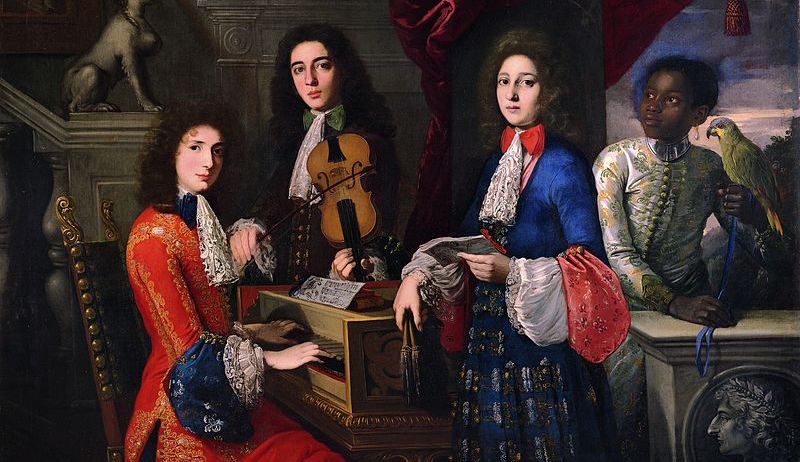
L’opera italiana nacque verso la fine del ‘500 a Firenze, sotto la corte dei Medici, e suscitò da subito un grande interesse, diventando in breve tempo una delle espressioni artistiche più amate in tutta Europa.

Keywords

il canto lirico: opera singing – 歌剧

immateriale: intangible, immaterial – 非物质 , 无形的

la proclamazione: proclamation – 宣告

la salvaguardia: safeguard – 保护

il “bel canto”: “beautiful singing” (opera) – 美声唱法 (歌剧)

il pizzaiolo: pizza maker – 披萨师傅

la corte: court – 宫庭

suscitare: to spark – 引起

Grammar

Passato remoto
Remote past

“L’opera italiana nacque verso la fine del ‘500”
(
The Italian opera was born towards the end of the 16th century)

The verbs nacque and suscitò are in the passato remoto tense, typically used in written language to describe completed actions in the distant past.
It is often used in historical, literary, or journalistic contexts, as well as in storytelling or recounting events that occurred in the past:

  • Nel 1492 Cristoforo Colombo scoprì l’America (In 1492 Christopher Columbus discovered America)
  • Nel 1861 l’Italia fu unificata (In 1861 Italy was unified.)
  • Dante Alighieri scrisse la Divina Commedia nel XIV secolo (Dante Alighieri wrote the Divine Comedy in the 14th century.)

Translation

Italian opera singing has become Intangible Heritage of Humanity, officially entering the UNESCO list. UNESCO announced it on its own X account.

The proclamation took place during the 18th meeting of the Committee for the Safeguarding of Intangible Cultural Heritage, held in Botswana.

The “bel canto” thus joins the other 16 Italian intangible heritages, including the art of Neapolitan pizza makers.

The Italian opera was born towards the end of the 16th century in Florence, under the Medici court, Italian opera immediately aroused great interest, quickly becoming one of the most beloved artistic expressions throughout Europe.

Quiz

Pronti?