Il boom dei mercatini di Natale in Italia

The boom of Christmas markets in Italy

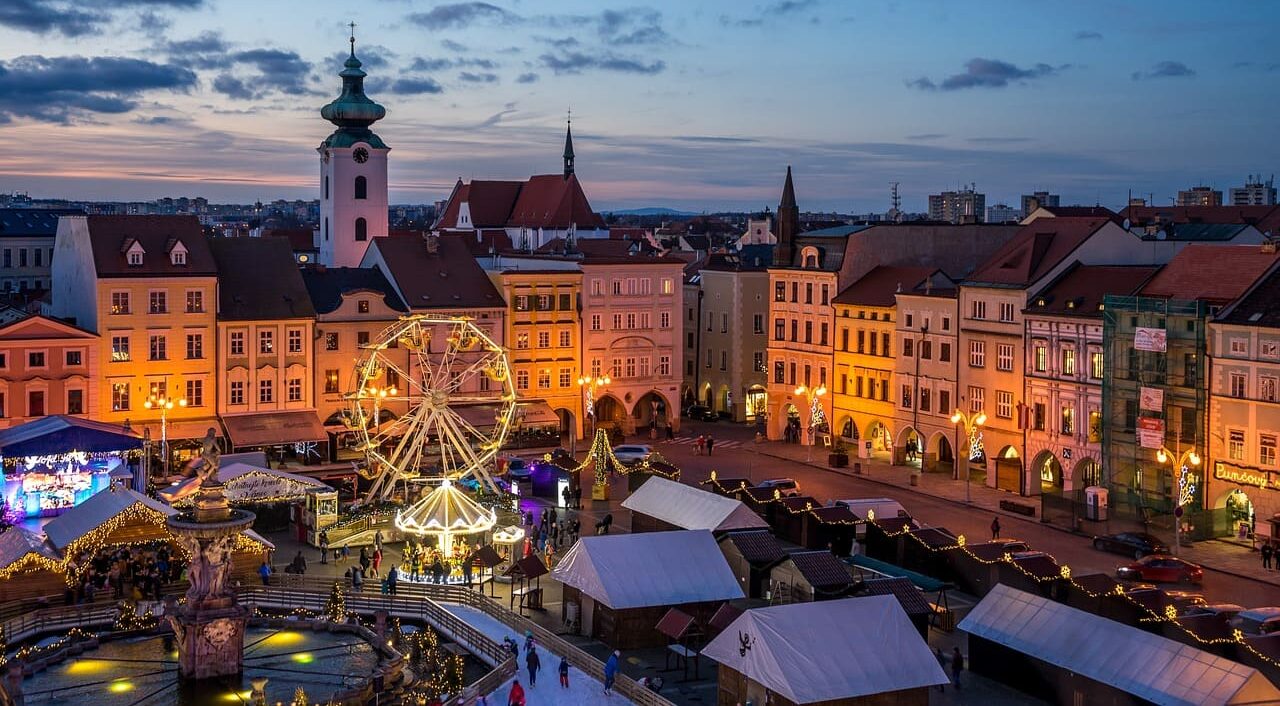
Con l’approssimarsi delle festività natalizie, passeggiando per il centro delle città italiane è ormai facile imbattersi in qualche mercatino natalizio in stile tirolese.

Si tratta di mercatini molto caratteristici e riconoscibili, con chioschi in legno, decorazioni luminose e neve artificiale, e che offrono prodotti tipici come addobbi natalizi, presepi, giocattoli artigianali e cibo tradizionale tedesco e tirolese, come i bretzel, i wurst e il gluhwein (il vino bollito).

questa tradizione è molto radicata in Austria e nel Sud della Germania, ma in Italia era sconosciuta fino a pochi anni fa. Esisteva solamente nel Südtirol, la regione al confine con l’Austria, e culturalmente molto simile.

tuttavia, negli ultimi anni, si è verificato un vero e proprio boom di Questi mercatini, che si sono diffusi in tantissime città italiane, diventando attrazioni turistiche. quello di Arezzo, in Toscana, è diventato in pochissimi anni Il più grande d’Italia, attirando più di un milione di visitatori all’anno.

Keywords

approssimarsi: to approach – 靠近

imbattersi: to come across – 遇到

tirolese: Tyrolean – 蒂罗尔的

il chiosco: kiosk – 亭子

gli addobbi: decorations – 装饰

il presepe: nativity scene – 圣诞诞生场景

radicato/a: rooted – 根深蒂固的

il boom: boom – 繁荣, 激增

Grammar

Infinito come sostantivo
Infinitive used as noun

“Con l’approssimarsi delle festività”
(With the approaching Christmas holidays)

In English the gerund form (-ing) can be used as a NOUN. In ltalian the infinitive is used in the same way:

– ASCOLTARE la musica è rilassante (Listening to music is relaxing)
– CAMMINARE fa bene alla salute (Walking is good for health)
– Il livello del mare si alza a causa dello SCIOGLIERSI dei ghiacci (The sea level rises due to the melting of ice)

Translation

With the approaching Christmas holidays, walking through the centers of Italian cities, it is now easy to come across some Tyrolean-style Christmas markets.

These are very characteristic and recognizable markets, with wooden stalls, bright decorations, and artificial snow, offering typical products such as Christmas decorations, nativity scenes, handmade toys, and traditional German and Tyrolean food, such as pretzels, sausages, and mulled wine.

This tradition is deeply rooted in Austria and southern Germany, but in Italy, it was unknown until a few years ago. It existed only in South Tyrol, the region bordering Austria, and culturally very similar.

However, in recent years, there has been a real boom in these markets, spreading to many Italian cities and becoming tourist attractions. The one in Arezzo, Tuscany, has become the largest in Italy in just a few years, attracting more than a million visitors annually.

Quiz

Pronti?