Cos’è la Pasquetta?

What is Easter Monday?

“Pasquetta”, cioè “piccola Pasqua”, è il nome del lunedì che segue la domenica di Pasqua: anche questo è un giorno di festa, in Italia come in molti altri posti del mondo.

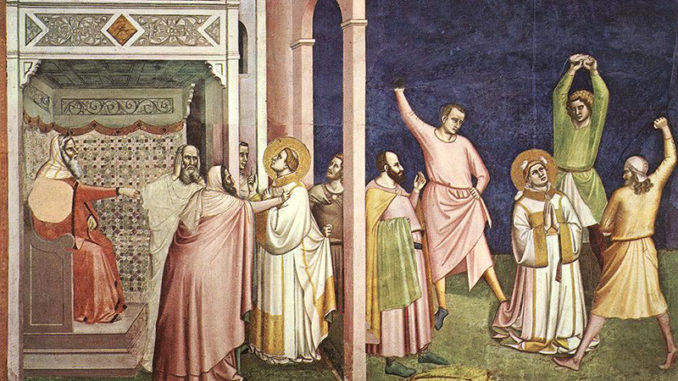
Il vero nome è “Lunedì dell’angelo“, per un episodio dei Vangeli: un angelo annuncia la resurrezione di Gesù e che la sua tomba è dunque già vuota.

L’annuncio dell’angelo e la visita alla tomba di Gesù avvengono nel giorno dopo Pasqua, che secondo i cristiani è di domenica (e non di sabato, come la Pasqua ebraica).

Come la Pasqua, anche la Pasquetta è una “festa mobile”, cioè cade ogni anno in un giorno diverso, in base al calendario lunare.

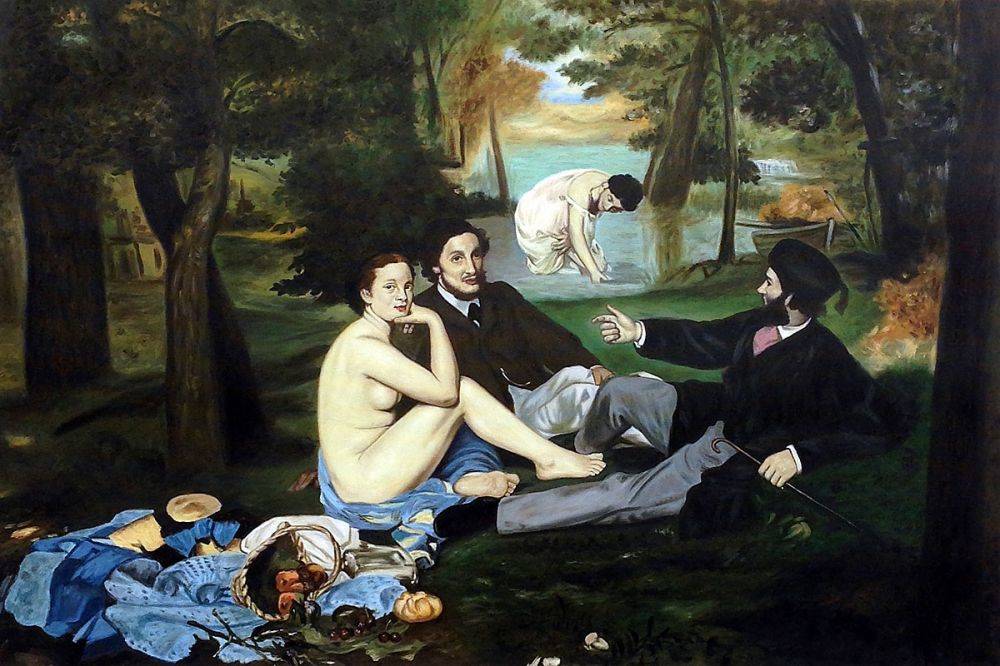
tradizionalmente, a Pasquetta si fa un gita fuori porta o un picnic al parco insieme agli amici. purtroppo però, a Pasquetta piove quasi sempre…

Read elementary | advanced levels

Keywords

la Pasquetta: Easter Monday – 复活节星期一

seguire: to follow – 跟随

l’ angelo: angel – 天使

i Vangeli: the Gospels – 福音书

la tomba: tomb – 坟墓

vuoto/a: empty – 空的

mobile: movable – 移动的

la data: date – 日期

cadere (+ data): to occur – 是, 发生

il calendario lunare: lunar calendar – 农历

la gita fuori porta: outing, trip outside the city – 短途旅游

Grammar

Ogni vs Tutti/e = each, every

In Italian, both “ogni” and “tutti/e” are used to express the meaning of “each”, “every”.

“Ogni” is used for singular nouns and is invariable, as it does not change according to gender or number:

  • ogni giorno = every day
  • ogni anno = every year
  • ogni persona = every person
  • ogni volta = every time

On the other hand, “tutti/e” is used with plural nouns. It has to agree with the gender of the noun, and it is followed by the definite article.
Before a masculine noun, it ends in “-i”, before a feminine noun it ends in “-e”:

  • tutti i giorni (m) = every day
  • tutti gli anni (m) = every year
  • tutte le persone (f) = all the people
  • tutte le volte (f) = every time
Note that in the singular form, the adjective tutto/a refers to the entirety or whole of something:
  • tutto il giorno (m) = the whole day
  • tutto l’anno (m) = the whole morning
  • tutta la settimana (f) = the whole week

Translation

“Pasquetta,” which means “little Easter,” is the name for the Monday that follows Easter Sunday: this is also a holiday in Italy as well as in many other places around the world.

The real name of Pasquetta is “Lunedì dell’Angelo” or “Angel’s Monday.” This name comes from an episode in the Gospels: an angel announces the resurrection of Jesus and that his tomb is therefore already empty.

The angel’s announcement and the visit to Jesus’ tomb take place on the day after Easter, which according to Christians is Sunday (and not Saturday, like the Jewish Passover).

Like Easter, Pasquetta is also a “movable feast,” meaning it falls on a different day every year, based on the lunar calendar.

Traditionally, on Pasquetta people go on an outing or have a picnic in the park with friends. Unfortunately, it almost always rains on that day…