Cos’è la Pasquetta?

What is Easter Monday?

“Pasquetta”, cioè “piccola Pasqua”, è il nome con cui in Italia si indica il lunedì dopo la domenica di Pasqua: è anch’esso un giorno di festa, in Italia come in molti altri posti del mondo.

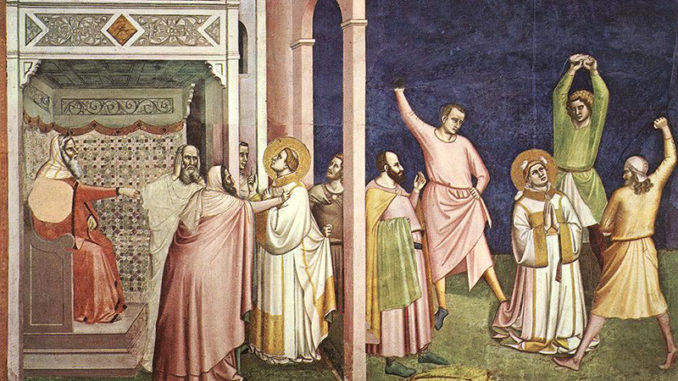
In Italia viene chiamato “Lunedì dell’Angelo”, per via di un episodio dei Vangeli in cui un angelo annunciò la resurrezione di Gesù e il suo sepolcro, come annunciato, venne trovato vuoto.

«Non abbiate paura, voi! so che cercate Gesù il crocifisso. non è Qui. È risorto, come aveva detto»

(Vangelo di Matteo)

secondo i Vangeli, infatti, l’annuncio dell’angelo e la visita al sepolcro ormai vuoto avvennero nel giorno dopo Pasqua, che per i cristiani è di domenica.

Come la Pasqua, anche la Pasquetta è una “festa mobile”, Poiché, seguendo il calendario lunare, non cade ogni anno nello stesso giorno.

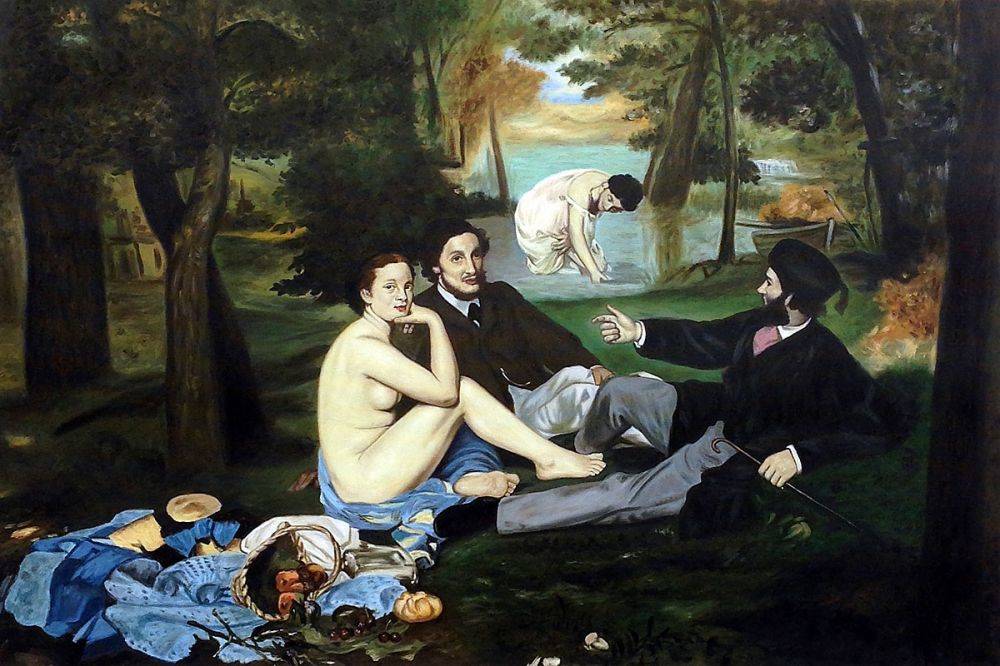
tradizionalmente, la Pasquetta si festeggia all’aperto insieme agli amici, facendo una scampagnata, una gita fuori porta, o magari un picnic o una grigliata al parco. purtroppo, sempre tradizionalmente, Pasquetta è molto spesso rovinata dal maltempo…

Read elementary | intermediate levels

Keywords

la Pasquetta: Easter Monday

per via di: due to, because of

la resurrezione: the resurrection

il sepolcro: the tomb

i Vangeli: the Gospels

mobile: movable

cadere (+ data): to occur, to fall

la scampagnata: picnic, outing in the countryside

la grigliata: barbecue

Grammar

Gerundio modale
Gerund expressing “how”

“la Pasquetta si festeggia… facendo una scampagnata”
(Easter Monday is celebrated… going for a picnic)

In Italian, the gerund has various different uses. One of the most common is to express the manner or way in which an action is performed, such as in the sentence above.
Here are some examples:

– Si impara a parlare italiano praticando con gli amici. (You learn to speak Italian by practicing with friends.)
– Maria sta perdendo peso mangiando sano e facendo esercizio regolarmente. (Maria is losing weight by eating healthily and exercising regularly.)
– Si può risparmiare energia spegnendo le luci quando non sono necessarie (You can save energy by turning off lights when they are not needed)

Translation

“Pasquetta”, which means “little Easter”, is the name given in Italy to the Monday after Easter Sunday. It is also a holiday in Italy as well as in many other places around the world.

In Italy, it is called “Lunedì dell’Angelo” (Angel’s Monday), because of an episode in the Gospels in which an angel announced the resurrection of Jesus and his empty tomb was found, just as predicted.

“Do not be afraid. I know you are looking for Jesus who was crucified. He is not here, for he has risen just as he said.” (Gospel of Matthew)

According to the Gospels, the announcement of the angel and the visit to the empty tomb occurred on the day after Easter, which for Christians is on Sunday.

Like Easter, Pasquetta is also a “moveable feast”, as it follows the lunar calendar and does not fall on the same day every year.

Traditionally, Pasquetta is celebrated outdoors with friends, by going on a trip, having a picnic or a barbecue in the park. Unfortunately, traditionally, Pasquetta is often spoiled by bad weather…