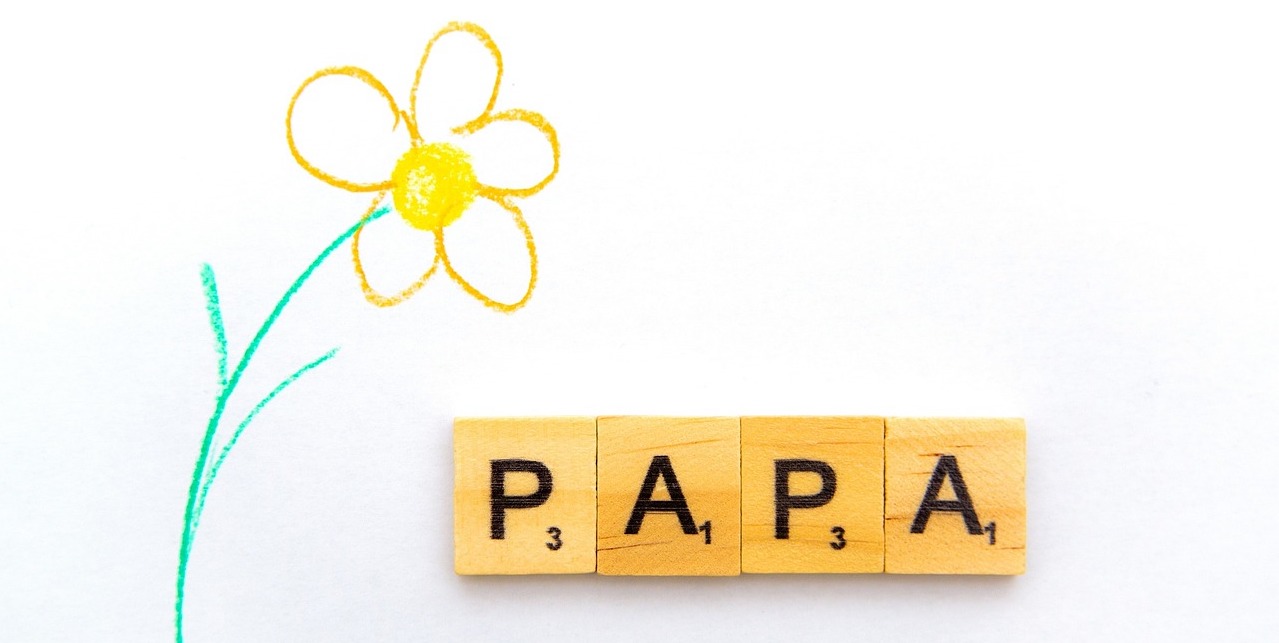
Oggi è la Festa del Papà

Today is Father’s Day

In Italia il 19 marzo si festeggia la festa del papà, come in molti paesi cattolici. questa festa è legata alla figura di San Giuseppe, morto il 19 marzo a 111 anni.

Secondo la tradizione, Giuseppe è il marito di Maria e il padre “adottivo” di Gesù. anche se non ci sono molte informazioni su di lui nei Vangeli, è una figura molto importante per i cattolici.

In questa occasione, in Italia si mangiano alcuni dolci tipici, come le zeppole napoletane e i bignè di San Giuseppe.

Read elementary | advanced levels

Keywords

cattolico/a: Catholic

legato a: linked to

il padre adottivo: adoptive father

tipico/a: typical

il bignè: cream puff

Grammar

“Si” passivante
Passive “si”

“si mangiano alcuni dolci tipici”
(some typical desserts are eaten)

The pronoun “SI” is sometimes used as an impersonal subject in sentences with a passive meaning: although the verb form is active, the meaning is passive. 

> si mangiano alcuni dolci tipici = alcuni dolci tipici sono mangiati

In this type of sentence, the verb agrees in number and gender with the subject of the sentence, hence the verb can be in either the third person singular or plural.
Obviously, “si” passivante can be used only when the verb can actually be turned into passive, hence only transitive verbs.

– Il biglietto (s.) SI COMPRA all’ingresso (The ticket is bought/You buy your ticket at the door)
– I biglietti (p.) SI COMPRANO all’ingresso (The tickets are bought/You buy your tickets at the door)

Translation

In Italy, on March 19th, Father’s Day is celebrated, as in many Catholic countries. This holiday is linked to the figure of Saint Joseph, who died on March 19th at the age of 111.

According to tradition, Joseph is the husband of Mary and the “adoptive” father of Jesus. Although there isn’t much information about him in the Gospels, he is a very important figure for Catholics.

On this occasion, in Italy, some typical desserts are eaten, such as Neapolitan zeppole and San Giuseppe’s cream puffs.