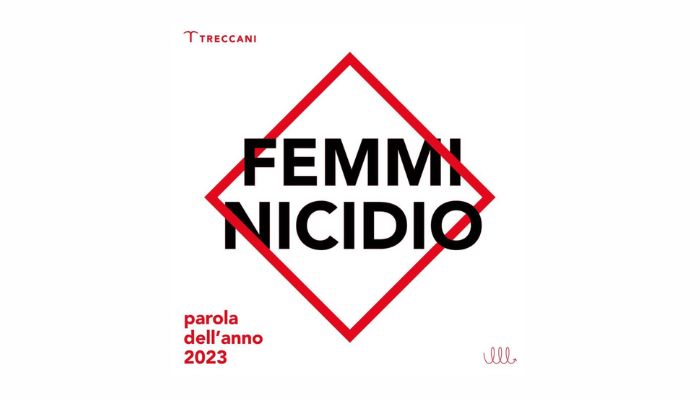
“Femminicidio” è la parola dell’anno 2023 per la Treccani

Italy’s Treccani vocabulary chooses ‘femicide’ as 2023 word of the year

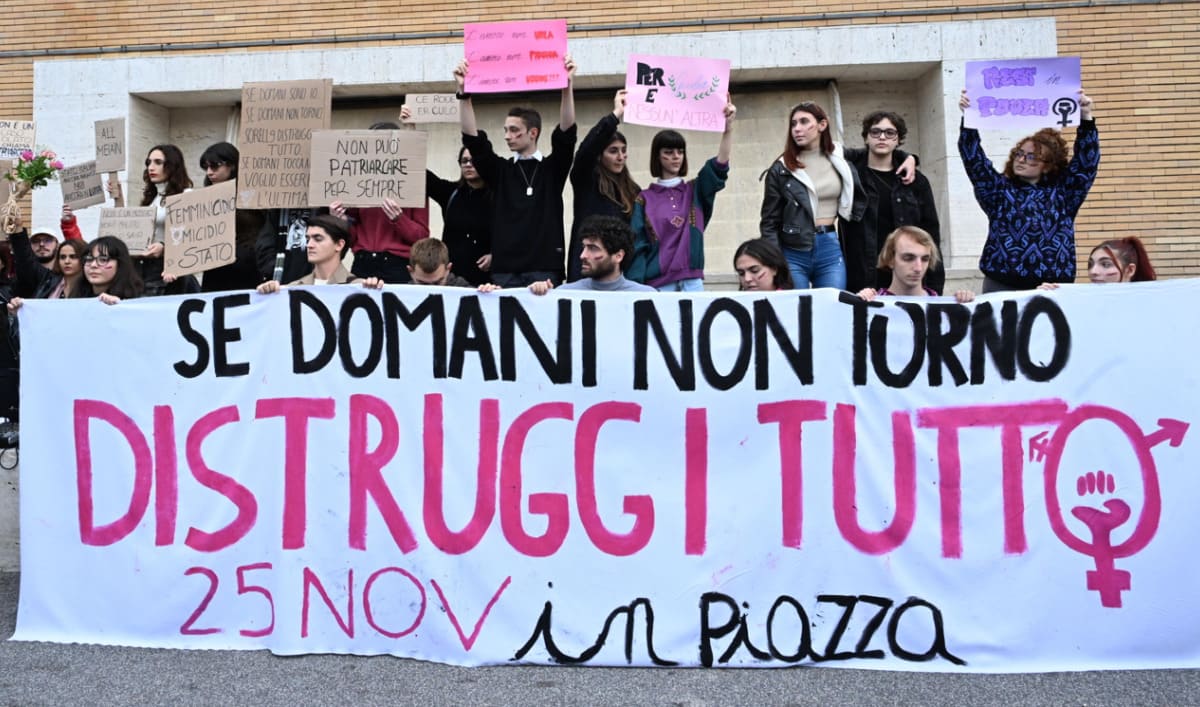
La Treccani è uno dei vocabolari più prestigiosi d’Italia, sempre attento alle evoluzioni della lingua italiana. Per il 2023 ha scelto, come parola dell’anno, il termine “femminicidio”, che indica l’omicidio di una donna da parte di un uomo.

Il termine è stato registrato come neologismo per la prima volta nel 2008, ed è poi, purtroppo, entrato nel linguaggio comune negli ultimi anni, in seguito ad alcuni casi di cronaca.

«Ci è sembrata una parola irrinunciabile” ha affermato la presidente della Treccani, “perché volevamo dare il nostro piccolo contributo, sperando che possa servire a riflettere su un crimine odioso”.

Michela Murgia, scrittrice e attivista italiana morta recentemente, diceva a proposito dell’importanza di questa parola: “Dire omicidio ci dice solo che qualcuno è morto. Dire femminicidio ci dice anche il perché”.

Keywords

l’ evoluzione: evolution – 进化

il femminicidio: femicide – 女性谋杀

il neologismo: neologism – 新词

il caso di cronaca: news story – 新闻事件

irrinunciabile: essential – 不可或缺的

riflettere: to reflect – 反思

Grammar

Infinito o gerundio?
Infinite VS Gerund

“Dire femminicidio ci dice anche il perché”
(Saying ‘femminicidio’ also tells us why)

In Italian, the infinitive form of a verb is often used as a noun to describe an activity or a concept, as the gerund in English.

– “ASCOLTARE la musica è rilassante (LISTENING to music is relaxing)
– CAMMINARE fa bene alla salute (Walking is good for health)

Translation

The Treccani is one of Italy’s most prestigious dictionaries, always attentive to the evolutions of the Italian language. For 2023, it has chosen the term “femminicidio” as the word of the year, which indicates the homicide of a woman by a man.

The term was first recorded as a neologism in 2008 and unfortunately has since entered common language in recent years following some criminal cases.

“It seemed to us an indispensable word,” stated the president of Treccani, “because we wanted to make our small contribution, hoping that it can serve to reflect on a heinous crime.”

Michela Murgia, an Italian writer and activist who recently passed away, spoke about the importance of this word: “Saying ‘homicide’ only tells us that someone has died. Saying ‘femminicidio’ also tells us why.”

Quiz

Pronti?