Chi è Babbo Natale?

Who is Santa Claus?

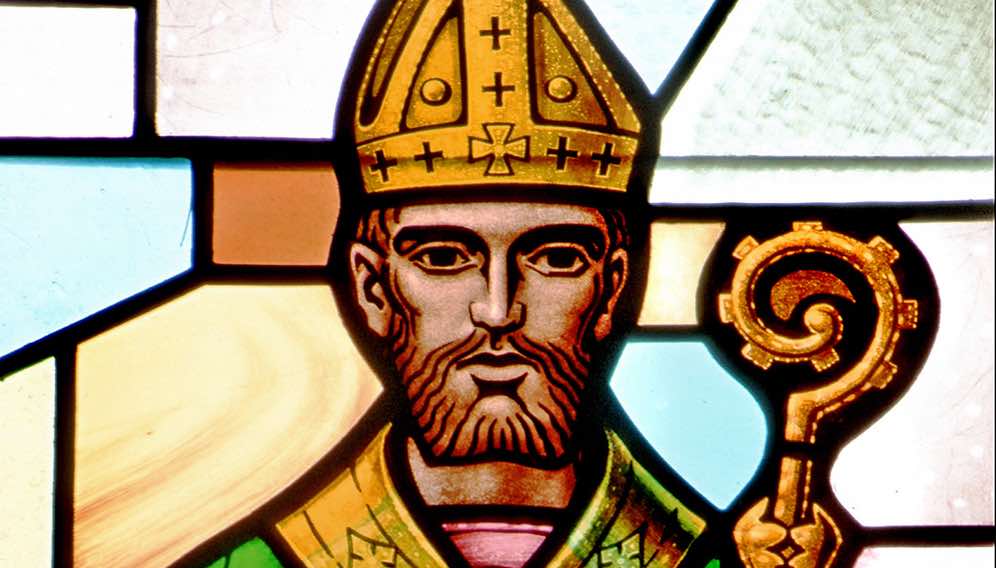
La storia dietro alla figura di Babbo Natale è piuttosto complessa, più complessa ancora di quella sull’origine del Natale cristiano. stando all’Enciclopedia Britannica, Babbo Natale deriva dalla figura di San Nicola di Bari: vescovo della città turca Myra, San Nicola venne portato a Bari dopo la sua morte, che si celebra tuttora il 6 dicembre.

La celebrazione di San Nicola è da sempre legata alla tradizione dei doni per i bambini, dovuta probabilmente alla sua leggendaria abitudine di fare regali segreti. La versione olandese di San Nicola, “Sinterklaas” (cioè Saint Nicholas in inglese), venne portata dall’Olanda nella colonia americana di New Amsterdam, la futura New York, dove si è gradualmente trasformata in Santa Claus.

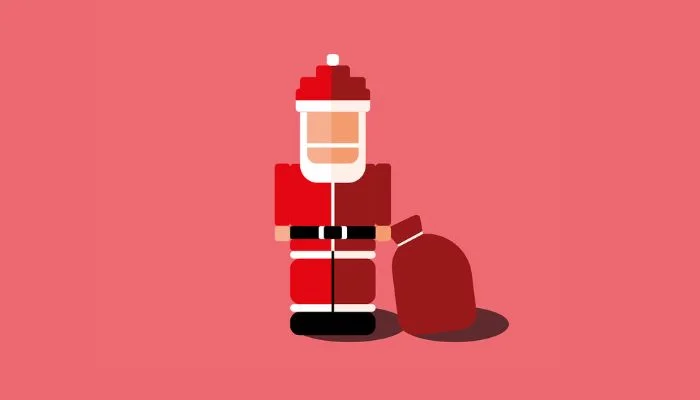
Al termine della Seconda guerra mondiale, la diffusione della cultura americana ha reso popolare la figura di Santa Claus come portatore di doni ai bambini anche in Italia, fino a prendere il posto di Gesù Bambino, Santa Lucia o San Nicola nelle diverse regioni italiane.

E voi, che regali avete ricevuto Quest’anno?
Keywords

Babbo Natale: Santa Claus / 圣诞老人

il vescovo: bishop / 主教

turco/a: Turkish / 土耳其的

il dono: gift / 礼物

la colonia: colony / 殖民地

fare sì che: (to) ensure, lead, cause / 保证, 导致, 引起

portatore: bearer, carrier / 承运人, 持有人

Grammar

Stando a = according to

“Stando all’Enciclopedia Britannica, Babbo Natale deriva dalla figura di San Nicola di Bari”
(According to the Encyclopedia Britannica, Santa Claus originates from the figure of Saint Nicholas of Bari)

In this sentence, “stando” is the gerund of the verb “stare” (to be, to stay) and is used to form a gerundial phrase with the preposition “a” (to) which together create the expression “stando a” (according to). This gerundial phrase is used to convey the source of information, opinion, or authority on which the statement is based.

Here are some examples:

  • Stando alle previsioni del tempo, domani pioverà. (According to the weather forecast, it will rain tomorrow.)
  • Stando alle sue parole, non era a conoscenza dell’incidente. (According to his words, he was not aware of the accident.)
  • Stando ai giornali, c’è stato un grave incidente ferroviario. (According to the newspapers, there has been a serious train accident.)


Translation

The story behind the figure of Santa Claus is rather complex, even more so than the origin of the Christian celebration of Christmas. According to the Encyclopedia Britannica, Santa Claus derives from the figure of Saint Nicholas of Bari: the bishop of the Turkish city of Myra, Saint Nicholas was brought to Bari after his death, which is still celebrated on December 6.

The celebration of Saint Nicholas has always been linked to the tradition of gifts for children, probably due to his legendary habit of giving secret gifts. The Dutch version of Saint Nicholas, “Sinterklaas” (which means Saint Nicholas in English), was brought from the Netherlands to the American colony of New Amsterdam, which would later become New York, eventually transforming into Santa Claus.

At the end of World War II, the spread of American culture around the world made the figure of Santa Claus popular in Italy as well, as a bearer of gifts for children, taking the place of Baby Jesus, Saint Lucy, or Saint Nicholas in different Italian regions.

And you, what gifts did you receive this year?