La magia del Carnevale di Venezia

The magic of the Venice Carnival

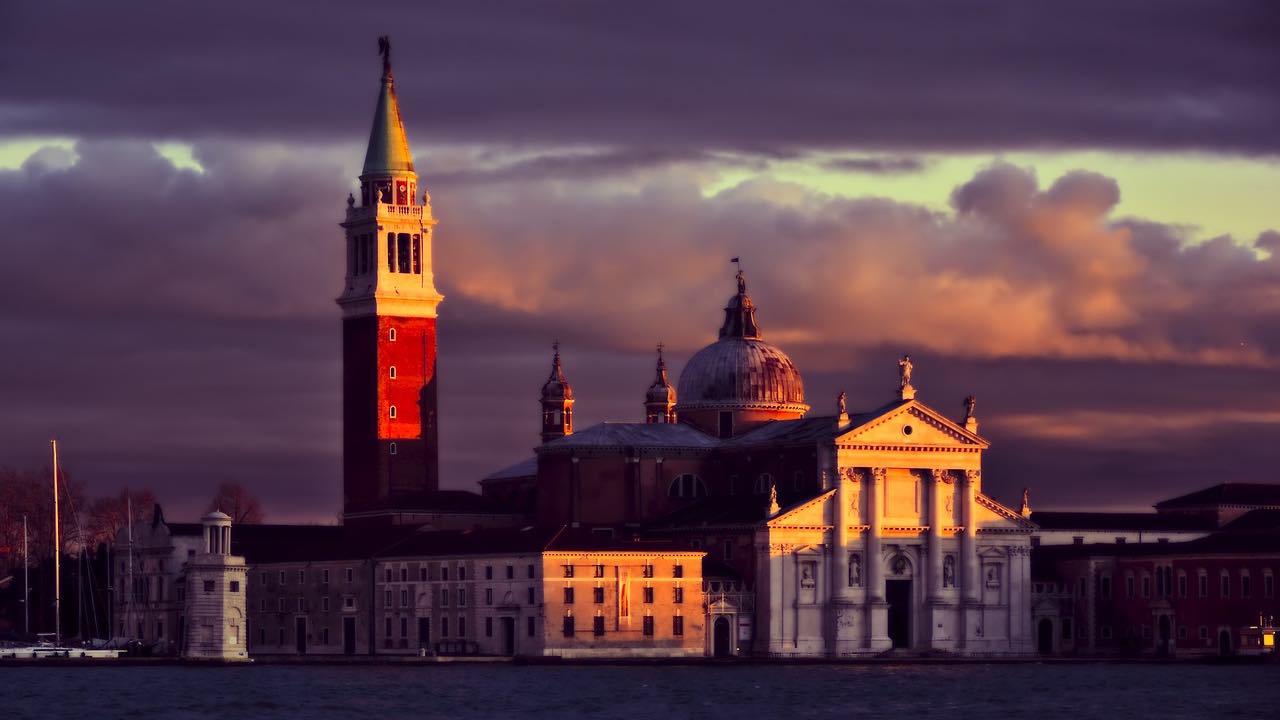
Venezia è una città magica Tutto l’ anno, ma lo diventa ancora di più durante il Carnevale.

Per due settimane tra gennaio e febbraio, la Venezia di oggi diventa la Venezia del Settecento, un periodo di ricchezza e mistero.

Il Carnevale di Venezia però è molto più antico, e la sua nascita ufficiale è nel lontano 1296.

Oggi è un evento che attira turisti da tutto il mondo, ma che è riuscito a mantenere la sua natura teatrale.

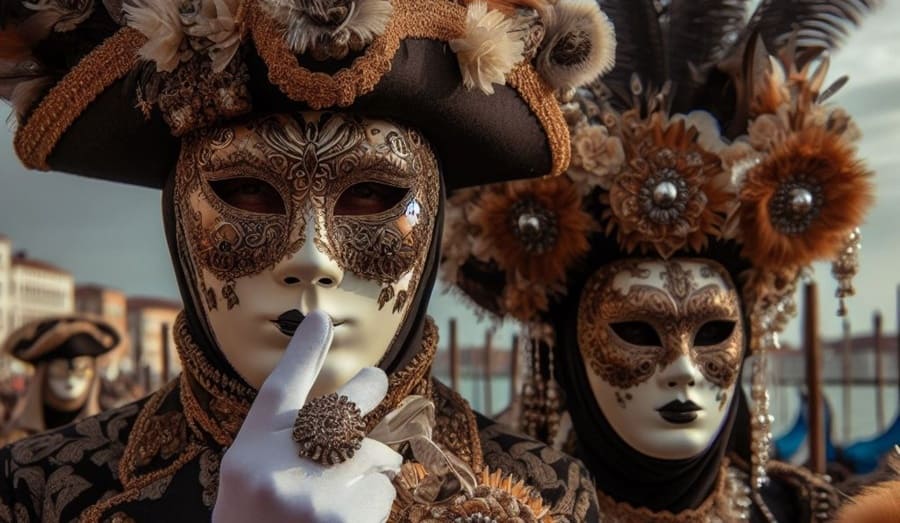
Per qualche giorno, infatti, la città diventa un teatro dove tutti possono nascondere la propria identità dietro un costume e una maschera, e diventare un’altra persona.

Keywords

magico/a: magical

il mistero: mystery

mantenere: to keep, to maintain

nascondere: to hide

l’ identità: identity

Grammar

Pronome diretto LO
Direct object pronoun LO

“lo diventa ancora di più”
(it becomes even more so)

Lo is a direct pronoun that usually replaces a masculine singular noun, avoiding another repetition of the noun.
However, lo can sometimes refer to a previously mentioned statement, not just a noun: In this article, for example, lo replaces the previous sentence “Venezia è una città magica”.
Let’s see another example:

– Studio molte lingue, lo faccio per passione (I study many languages, I do it out of passion)

Translation

Venice is a magical city all year round, but it becomes even more so during Carnival.

For two weeks between January and February, today’s Venice becomes the Venice of the 18th century, a period of wealth and mystery.

However, the Carnival of Venice is much older, and its official birth is in the distant 1296.

Today, it is an event that attracts tourists from all over the world, but it has managed to maintain its theatrical nature.

For a few days, in fact, the city becomes a theater where everyone can hide their identity behind a costume and a mask, and become someone else.

Quiz

Pronti?