Sostantivi in -ista
Nouns ending in -ista
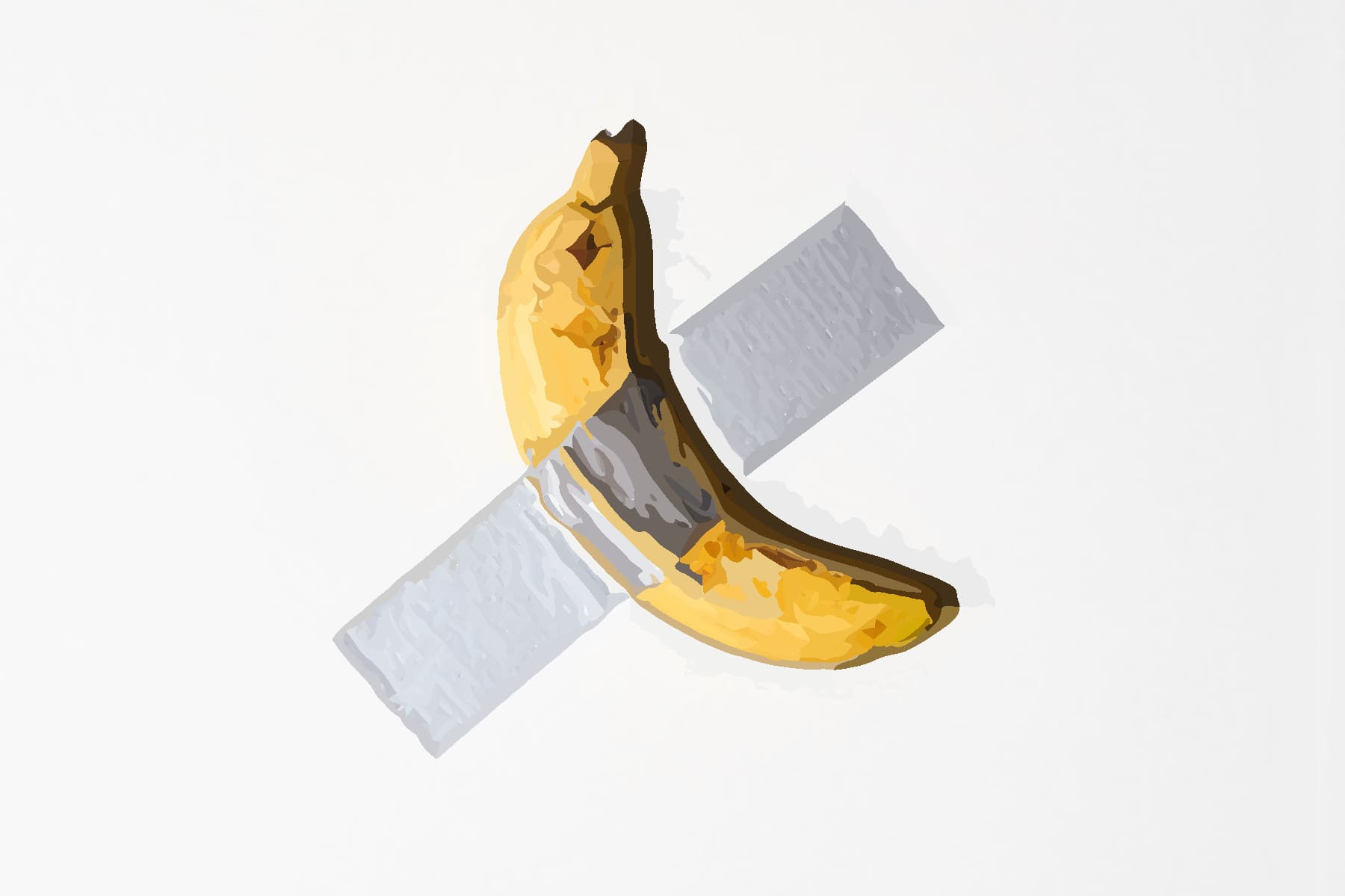
“il più famoso artista contemporaneo italiano”
(the most famous Italian contemporary artist)
In this sentence, the adjectives “famoso”, “contemporaneo” and “italiano” match the masculine gender of the noun “artista”.
But why, isn’t “artista” a feminine noun?
No. In Italian, in fact, nouns ending in -ista can be both masculine and feminine, depending on the context and the gender of the person being referred to.
This is because the suffix -ista is not inherently masculine or feminine, but rather indicates a profession or activity.
For example, the noun “artista” (artist) can be used to refer to both male and female artists, and it can be modified with both masculine and feminine adjectives, depending on the gender of the artist being described.
Similarly, “pianista” (pianist), “turista” (tourist), “regista” (director), “dentista” (dentist) and many other nouns ending in -ista can be used for both genders.




 and
 in

