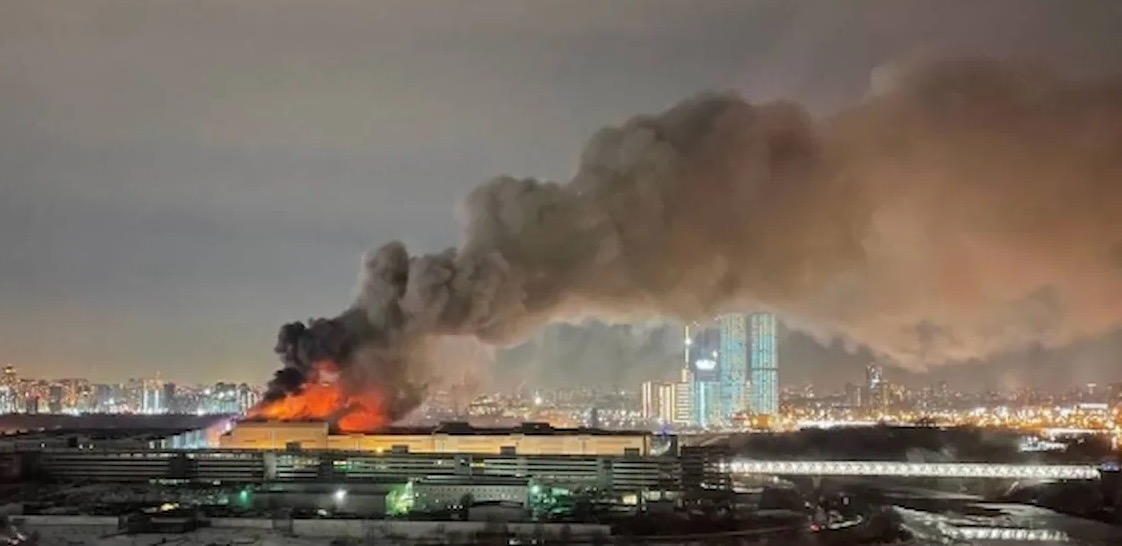
40mila morti per il terremoto tra Turchia e Siria

Turkey-Syria earthquake death toll exceeds 40,000

Il 6 febbraio 2023, un devastante terremoto di magnitudo 7.8 ha colpito la regione di confine tra la Turchia e la Siria. 

La scossa ha causato il crollo o il danneggiamento di migliaia di edifici in decine di città, causando la perdita di moltissime vite umane e danni economici significativi.
La stima provvisoria delle vittime è gravissima: Finora si contano oltre 41.000 morti e moltissimi feriti.

L’epicentro del primo terremoto si trova nei pressi della città di Gaziantep, nella Turchia meridionale, a circa 90 chilometri dal confine siriano. I danni e i crolli, tuttavia, sono avvenuti in un’area molto più vasta. Il terremoto è stato sentito fino a Cipro, in Libano e in Israele.
dopo la prima scossa di terremoto, ci sono state numerose altre scosse, alcune molto forti.

Tutto il mondo si è mobilitato per inviare aiuti e squadre di emergenza per aiutare la popolazione turca e quella siriana. 
Gli operatori di emergenza, provenienti da tutto il mondo, stanno lavorando per soccorrere i sopravvissuti rimasti sotto le macerie e al contempo ripristinare i servizi essenziali come strade e ospedali.

Keywords

il terremoto: earthquake – 地震 

la magnitudo: magnitude – 震级

il crollo: collapse – 坍塌

il danneggiamento: damage – 损坏

le vite umane: human lives – 人命

i danni economici: economic damages – 经济损失

l’ epicentro: epicenter – 震中

la scossa: earthquake, aftershocks – 地震, 余震

i sopravvissuti: survivors – 幸存者

mobilitarsi: to mobilize – 动员

Grammar

Participio presente come aggettivo
Present participle as adjectives

“gli operatori di emergenza, provenienti da tutto il mondo”
(emergency responders, coming from all over the world)

“Provenienti” is the present participle form of the verb “provenire” in Italian. In this context, “provenienti” is used as an adjective to describe the subject “operatori di emergenza” (emergency responders) and it means “coming from” or “originating from”.

In Italian, present participles are often used as adjectives to describe nouns and pronouns.
They are formed by adding -ante to the present tense stem of -are verbs, and -ente to the present tense stem of -ere and -ire verbs:

Here are a few examples:

  • abitante (resident, inhabitant) – from the verb “abitare” (to live)
  • amante (lover) – from the verb “amare” (to love)
  • cantante (singer) – from the verb “cantare” (to sing)
  • impressionante (impressive) – from the verb “impressionare” (to impress)
  • sorridente (smiling) – from the verb “sorridere” (to smile)
  • vincente (winner) – from the verb “vincere” (to travel)
  • perdente (loser) – from the verb “perdere” (to lose)

Translation

On February 6th, 2023, a devastating earthquake of magnitude 7.8 struck the border region between Turkey and Syria.
The quake caused the collapse or damage of thousands of buildings in dozens of cities, resulting in the loss of many human lives and significant economic damage. The preliminary estimate of the victims is very serious: so far, over 41,000 deaths and many injuries have been reported.

The epicenter of the earthquake was near the city of Gaziantep in southern Turkey, about 90 kilometers from the Syrian border. However, the damage and collapses occurred in a much wider area. The earthquake was felt as far away as Cyprus, Lebanon, and Israel. After the first earthquake, there were numerous other strong aftershocks.

The whole world has mobilized to send aid and emergency teams to help the Turkish and Syrian populations.
Emergency responders from all over the world are working to rescue survivors still trapped under the rubble while restoring essential services such as roads and hospitals.