
Perché oggi è la Festa della Repubblica

Why Italy celebrates Republic Day on June 2nd

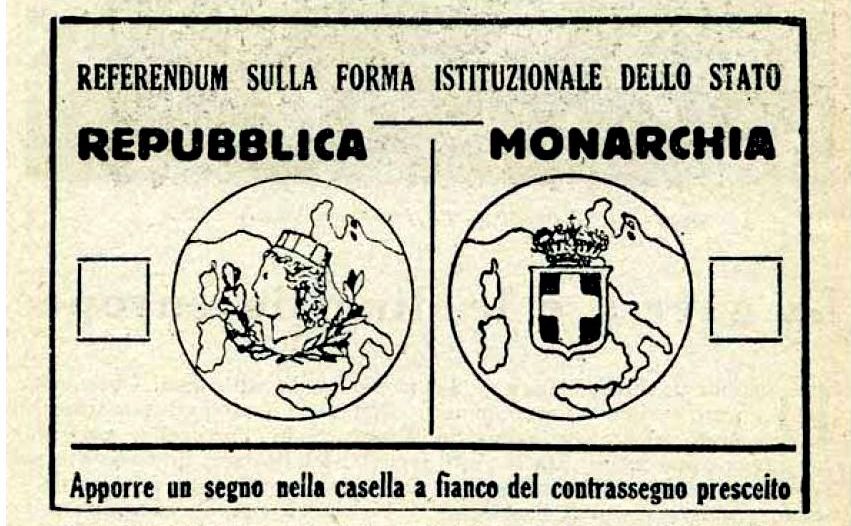
oggi, 2 giugno, è la festa della Repubblica: l’anniversario del 2 giugno 1946, quando 24 milioni di italiani votarono per decidere la nuova forma di governo dopo la fine del fascismo, scegliendo tra repubblica e monarchia. 

Vinse la Repubblica con 12.718.641 voti, contro i 10.718.502 della Monarchia. I risultati ufficiali del referendum furono annunciati il 18 giugno 1946, giorno in cui venne proclamata ufficialmente la nascita della Repubblica italiana. 

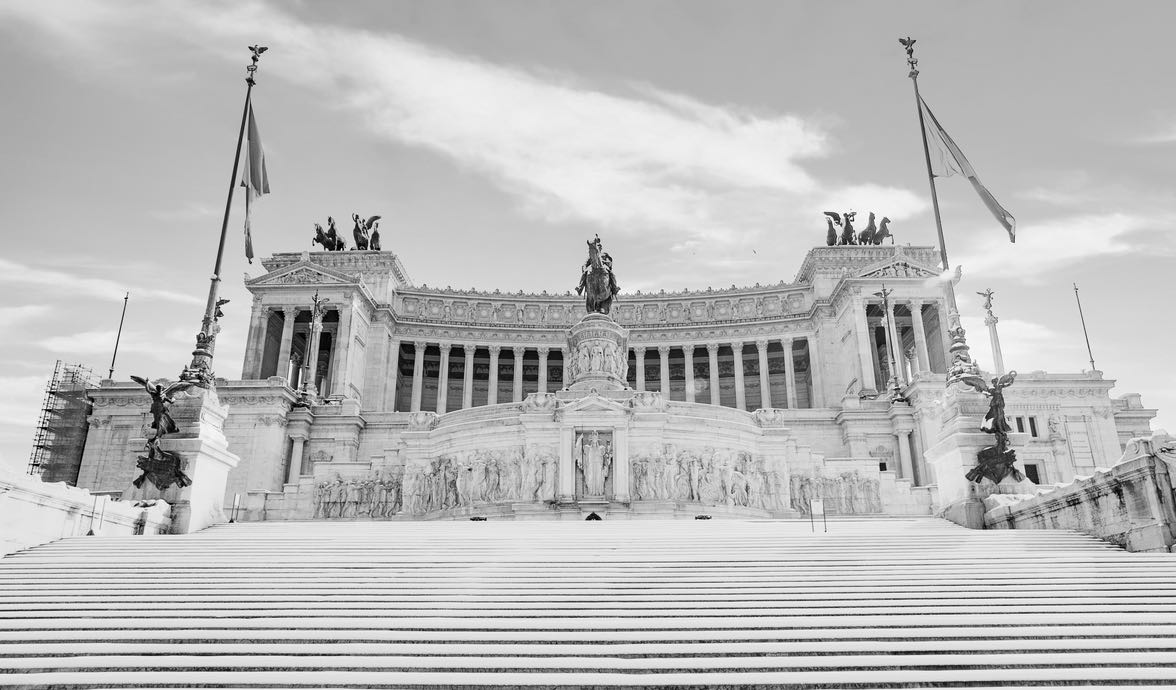
come ogni anno, in occasione di questa celebrazione, il Presidente della Repubblica Sergio Mattarella ha deposto una corona di alloro all’Altare della Patria, a Piazza Venezia, nel cuore di Roma. 

L’Altare della Patria è il monumento costruito per celebrare il Lungo e sanguinoso percorso che portò infine all’unità d’Italia sotto il re Vittorio Emanuele II di Savoia. chiamato anche “Vittoriano”, venne inaugurato nel 1911, in occasione del 50esimo anniversario dell’unità d’Italia.

Dopo la pausa dovuta alla pandemia, Quest’anno si è tenuta nuovamente anche la consueta parata militare lungo Via dei Fori Imperiali, con il tradizionale passaggio degli aerei delle Frecce Tricolori che hanno lasciato le loro scie tricolori nel cielo della capitale.
Keywords

la Festa della Repubblica: Republic Day – 共和国日

votare: to vote – 投票

il fascismo: fascism – 法西斯主义

la monarchia: monarchy – 君主制

il referendum: referendum – 公民投票

proclamare: to proclaim – 宣布

la corona di alloro: laurel wreath – 荣誉花圈

l’Altare della Patria: Altar of the Fatherland – 祖国祭坛

la parata militare: military parade – 军事阅兵

le Frecce Tricolori: “Tricolor Arrows”, the Italian Air Force aerobatic team – 意大利 “三色箭” 飞行表演队

Grammar

Passato remoto
Remote past

“Vinse la Repubblica”
(The Republic won)

The verb “vinse”, as well as many others in this article (“votarono”, “furono annunciati”, “venne proclamata”),  is in the passato remoto tense, the past tense that is typically used in written language to describe completed actions in the distant past. 

It is often used in historical, literary, or journalistic contexts, as well as in storytelling or recounting events that occurred in the past.

Some examples:

  • Nel 1492 Cristoforo Colombo scoprì l’America (In 1492 Christopher Columbus discovered America)
  • Nel 1861 l’Italia fu unificata (In 1861 Italy was unified.)
  • Dante Alighieri scrisse la Divina Commedia nel XIV secolo (Dante Alighieri wrote the Divine Comedy in the 14th century.)

Translation

Today, on June 2nd, we celebrate the Festa della Repubblica (Republic Day): the anniversary of June 2nd, 1946, when 24 million Italians voted to decide the new form of government after the end of fascism, choosing between a republic and a monarchy.

The Republic won with 12,718,641 votes, against 10,718,502 votes for the Monarchy. The official results of the referendum were announced on June 18, 1946, the day when the birth of the Italian Republic was officially proclaimed.

As every year, on this occasion, the President of the Republic, Sergio Mattarella, laid a laurel wreath at the Altare della Patria (Altar of the Fatherland) in Piazza Venezia, in the heart of Rome.

The Altare della Patria is a monument built to celebrate the long and bloody journey that ultimately led to the unification of Italy under King Vittorio Emanuele II of Savoy. Also known as the “Vittoriano,” it was inaugurated in 1911, on the 50th anniversary of Italy’s unification.

After a pause due to the pandemic, this year the customary military parade was held along Via dei Fori Imperiali, featuring the traditional flyover of the Frecce Tricolori (Italian Air Force aerobatic team), leaving their tricolor trails in the sky of the capital.
