
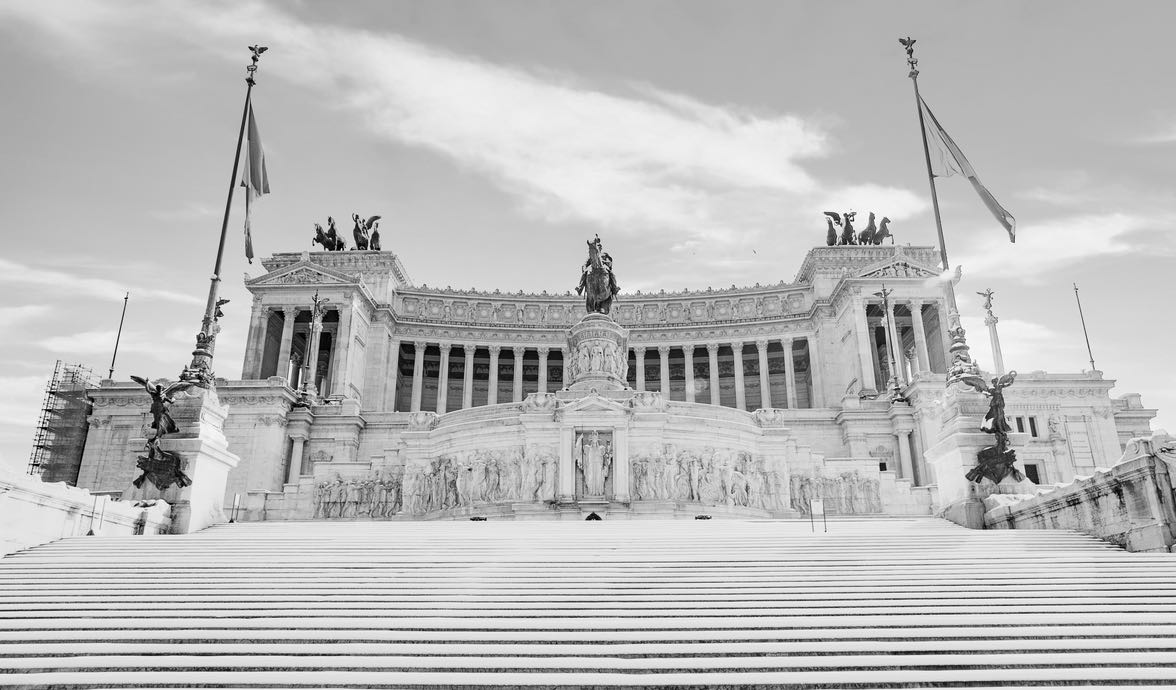
L’Altare della Patria, la “macchina da scrivere” dei romani

The Altar of the Fatherland, aka the Romans’ “typewriter"

La “macchina da scrivere”

L’Altare della Patria, il maestoso tempio bianco che svetta nel centro di Roma insieme al Colosseo, è probabilmente il monumento con più nomi d’Italia: il nome originale è “Monumento nazionale a Vittorio Emanuele II”, ma è noto anche come “Mole del Vittoriano”, o solo “Vittoriano”.

Ma non finisce Qui, perché i romani lo chiamano scherzosamente “macchina da scrivere” o “torta nuziale”, per via della sua forma.

cosa rappresenta l’Altare della Patria?

Ma che cosa rappresenta l’Altare della Patria? Come suggerisce il nome, Quest’imponente struttura venne eretta nel 1911 per celebrare l’unità d’Italia, avvenuta 50 anni prima nel 1961. È dunque il simbolo dell’identità nazionale italiana.

All’interno dell’Altare della Patria, infatti, si può visitare il Museo Centrale del Risorgimento, che offre ai visitatori l’opportunità di immergersi nella storia dell’unificazione italiana e di conoscere i protagonisti di questo importante e sanguinoso processo storico.

La festa della Repubblica

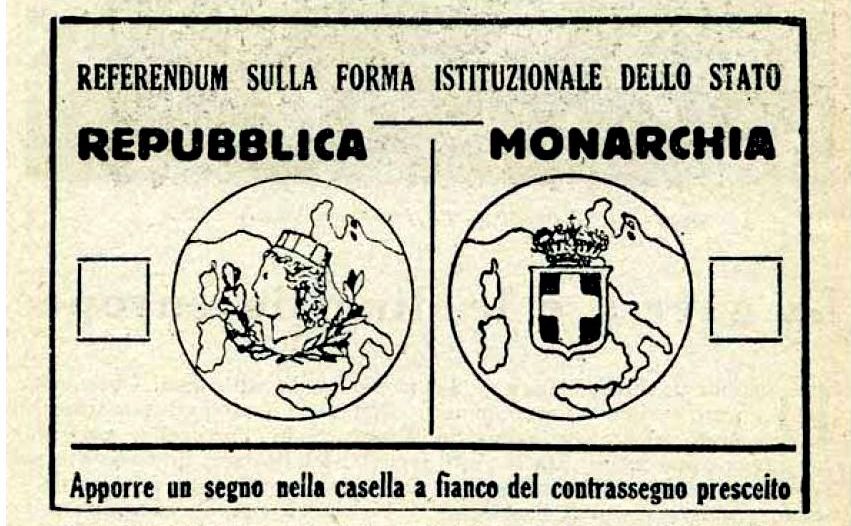
proprio per celebrare le conquiste del Risorgimento e l’unità d’Italia, ogni anno il 2 giugno, in occasione della Festa della Repubblica, il Presidente della Repubblica depone una corona di alloro all’Altare della Patria in omaggio a tutti coloro che sono morti per la Patria.

infine, la terrazza!

Una delle attrazioni più apprezzate dai turisti, tuttavia, è la terrazza panoramica dalla quale si può godere di una vista mozzafiato sulla città di Roma, magari sorseggiando uno spritz ai tavolini del bar. 

E voi che ne pensate? Vi piace o vi piacerebbe visitarlo? Ci siete stati?
Keywords

l’ Altare della Patria: the Altar of the Fatherland – 祖国祭坛

svettare: to tower – 矗立

la macchina da scrivere: the typewriter – 打字机

imponente: impressive – 令人印象深刻的

erigere: to erect – 建立

il Risorgimento: the Risorgimento (Italian unification movement) – 意大利复兴运动

l’ unificazione: the unification – 统一

la corona di alloro: the laurel wreath – 荣誉花圈

rendere omaggio: to pay homage – 致敬

la Festa della Repubblica: Republic Day – 共和国日

Grammar

The versatile “magari”

“…magari sorseggiando uno spritz ai tavolini del bar”
(…perhaps while sipping an Aperol Spritz at the bar tables)

In Italian, “magari” is a versatile word that depends heavily on the context in which it is used, making it challenging to translate directly into English.
Its meaning can vary from expressing desire, hope, agreement, doubt, or even sarcasm.

In the sentence above, “magari” is used as an interjection, and expresses a sense of longing or desire. A possible translation could be “hopefully”, “perhaps” or “why not.”

Let’s break down the other uses:

  1. Expressing a desire or a wish: “Magari potessi andare in vacanza!” (If only I could go on vacation!)
  2. Expressing hope or optimism: “Magari riesco a superare l’esame.” (Hopefully I can pass the exam.)
  3. Expressing agreement or affirmation: “Vuoi andare al cinema?” “Magari!” (“Do you want to go to the movies?” “Sure!”)
  4. Expressing doubt or uncertainty: “Magari è vero, ma non sono sicuro.” (It might be true, but I’m not sure.)
  5. Expressing a sense of irony or sarcasm: “Diventerò il più ricco del mondo!” “Sì, magari!” (“I’m gonna be the richest in the world!” “Yeah, sure!”)

Translation

The “Typewriter”
The Altar of the Fatherland, the majestic white temple that stands in the center of Rome alongside the Colosseum, is probably the monument with the most names in Italy: its original name is “Monumento nazionale a Vittorio Emanuele II,” but it is also known as the “Mole del Vittoriano” or simply “Vittoriano.”

But it doesn’t end there because the Romans jokingly call it the “Typewriter” or “Wedding Cake” due to its shape.

What does the Altar of the Fatherland represent?
 As the name suggests, this imposing structure was built in 1911 to celebrate the unification of Italy, which took place 50 years earlier in 1861. It is therefore a symbol of Italian national identity.

Inside the Altar of the Fatherland, visitors can explore the Central Museum of the Risorgimento, which offers the opportunity to delve into the history of Italian unification and learn about the key figures of this important and tumultuous historical process.

Republic Day
To celebrate the achievements of the Risorgimento and the unity of Italy, every year on June 2nd, during Republic Day, the President of the Republic lays a laurel wreath at the Altar of the Fatherland as a tribute to all those who died for their country.

And finally, the terrace!
One of the most appreciated attractions by tourists is the panoramic terrace from which you can enjoy a breathtaking view of the city of Rome, perhaps while sipping an Aperol Spritz at the bar tables.

What do you think? Do you like it or would you like to visit? Have you been there?
