
Perché oggi è la Festa della Repubblica

Why Italy celebrates Republic Day on June 2nd

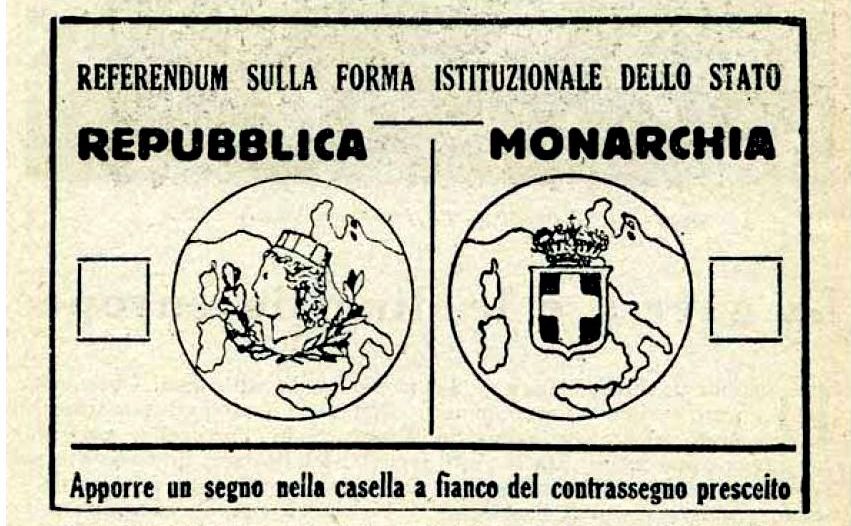
oggi, 2 giugno, è la festa della Repubblica: il 2 giugno 1946, infatti, gli italiani hanno votato per scegliere la nuova forma di governo dopo il fascismo, tra Repubblica e Monarchia. 

La Repubblica ha vinto con circa 12 milioni di voti, contro i 10 della Monarchia. 

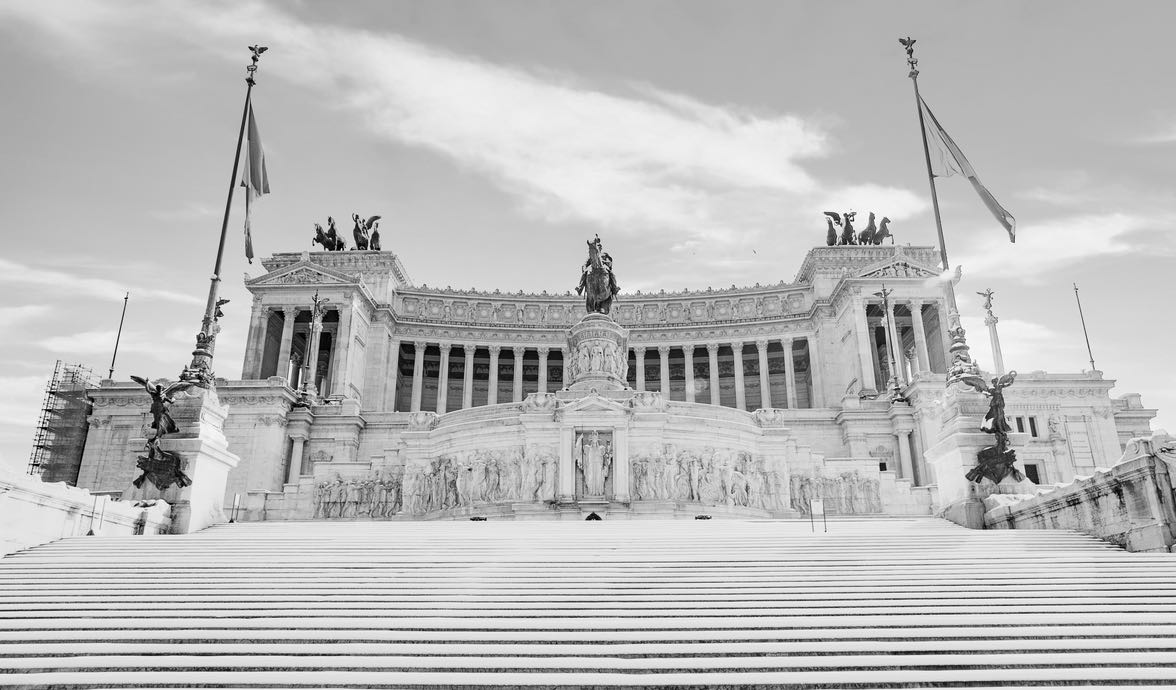
come ogni anno, in questa giornata, il Presidente della Repubblica Sergio Mattarella ha deposto una corona di alloro all’Altare della Patria, a Roma.  

L’Altare della Patria è il monumento che celebra l’unità d’Italia sotto il re Vittorio Emanuele II di Savoia. viene chiamato anche “Vittoriano”, ed è stato inaugurato nel 1911.

inoltre, dopo la pausa per la pandemia, si è tenuta anche la parata militare Lungo Via dei Fori Imperiali, con il passaggio degli aerei delle Frecce Tricolori nel cielo di Roma.
Keywords

la Festa della Repubblica: Republic Day – 共和国日

votare: to vote – 投票

il fascismo: fascism – 法西斯主义

la monarchia: monarchy – 君主制

il Presidente della Repubblica: President of the Republic – 共和国总统

deporre: to depose – 放, 放下

la corona di alloro: laurel wreath – 荣誉花圈

l’Altare della Patria: Altar of the Fatherland – 祖国祭坛

la parata militare: military parade – 军事阅兵

le Frecce Tricolori: “Tricolor Arrows”, the Italian Air Force aerobatic team – 意大利 “三色箭” 飞行表演队

Grammar

Passivo
Passive form

“Viene chiamato anche “Vittoriano”, ed è stato inaugurato nel 1911″
(It is also called the “Vittoriano” and was inaugurated in 1911)

In this sentence, the passive forms “viene chiamato” (is called) and “è stato inaugurato” (was inaugurated) are used instead of the active forms to shift the focus from the subject performing the action to the subject receiving the action. The emphasis is placed on the monument itself and its current state or status.

The passive voice is commonly used in Italian to describe actions or events in a more impersonal or objective manner. It allows the speaker or writer to focus on the result or the state of something rather than on who performed the action. 

In this case, the sentence highlights the fact that the monument is commonly known as the “Vittoriano” and that it was inaugurated in 1911, without specifying who gave it that name or who performed the inauguration.

Here are some more examples:

  1. La lettera è stata inviata ieri. (The letter was sent yesterday.)
  2. Il film è stato girato in Italia. (The movie was filmed in Italy.)
  3. La casa è stata costruita nel 19° secolo. (The house was built in the 19th century.)
  4. Il quadro è stato dipinto da un artista famoso. (The painting was painted by a famous artist.)
  5. La strada è stata chiusa per lavori di manutenzione. (The road was closed for maintenance works.)

Translation

Today, on June 2nd, we celebrate the Festa della Repubblica (Republic Day): on June 2nd, 1946, Italians voted to choose the new form of government after fascism, between a Republic and a Monarchy.

The Republic won with approximately 12 million votes, against 10 for the Monarchy.

As every year, on this day, President of the Republic Sergio Mattarella laid a laurel wreath at the Altare della Patria (Altar of the Fatherland) in Rome.

The Altare della Patria is the monument that celebrates the unification of Italy under King Vittorio Emanuele II of Savoy. It is also called the “Vittoriano” and was inaugurated in 1911.

Furthermore, after the pause due to the pandemic, the military parade was also held along Via dei Fori Imperiali, with the flyover of the Frecce Tricolori aircraft in the sky of Rome.
