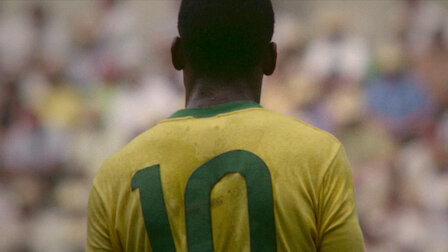
Pelé è morto a 82 anni

Pelé dies at age 82

Il mondo del calcio è in lutto per la morte di Pelé, uno dei più grandi calciatori della storia, se non Il più grande. Aveva 82 anni.

Nato il 23 ottobre 1940 nel villaggio di Três Corações, in Brasile, il suo vero nome era Edson Arantes do Nascimento. Si trasferì a San Paolo giovanissimo per giocare con il Santos, squadra con cui esordì in campionato il 7 settembre 1956 a soli 16 anni. 

Con il Santos giocò per ben 20 anni, vincendo dieci campionati, due Coppe Libertadores e due Coppe Intercontinentali. terminò infine la sua gloriosa carriera nei New York Cosmos, negli usa.

Pelé è l’unico calciatore al mondo ad aver vinto tre edizioni della Coppa del mondo: Pelé ha infatti guidato la Nazionale verde-oro alla conquista dei campionati del mondo nel 1958, 1962 e 1970. 

La FIFA gli riconosce il record di reti segnate in carriera, 1281 in 1363 partite. Nel 2000, inoltre, la FIFA gli ha conferito il riconoscimento di giocatore del secolo, insieme al suo eterno rivale argentino Diego Armando Maradona.

Il suo incredibile talento e i suoi trionfi lo hanno reso una leggenda del calcio ammirata in tutto il mondo, tanto da meritarsi il soprannome di “O Rei”, il Re in portoghese.

Pelé ha trascorso gli ultimi anni della sua vita combattendo contro un tumore al colon. La notizia della sua morte ha suscitato una grande commozione tra i tifosi di tutto il mondo, che piangono la perdita di un campione ineguagliabile.

Keywords

in lutto: mourning – 悲哀

il calciatore: football player – 足球运动员

il campionato: championships – 冠军赛

le reti segnate: scored goals – 进球

il talento: talent – 才能)

il trionfo: triumph – 胜利

ammirato/a: admired – 受到钦佩的

il tumore: tumor – 肿瘤

la perdita: loss – 损失

suscitare: to arouse – 引起

la commozione: emotion – 感动

ineguagliabile: unparalleled – 无与伦比的

Grammar

Pronome indiretto GLI
Indirect object pronoun GLI

“La FIFA gli riconosce il record di reti segnate in carriera”
(FIFA recognizes him as the player with the record for career goals scored)

In this sentence, the pronoun “gli” is used to indicate the indirect object, meaning “to him” or “for him”. In this case, it indicates that the record of goals scored in his career was recognized by the FIFA for him.

Here are some other examples:

  • Gli ho regalato una maglietta. (I got him a T-shirt.)
  • Gli ho chiesto il permesso di uscire stasera. (I asked him for permission to go out tonight.)
  • Gli ho dato il libro (I gave him the book)

Translation

The world of football is in mourning for the death of Pelé, one of the greatest footballers in history, if not the greatest. He was 82 years old.

Born on October 23, 1940, in the village of Três Corações, Brazil, his real name was Edson Arantes do Nascimento. He moved to São Paulo at a young age to play for Santos, the team he debuted for in the league on September 7, 1956, at just 16 years old.

He played for Santos for 20 years, winning ten championships, two Libertadores Cups, and two Intercontinental Cups. He ended his glorious career with the New York Cosmos in the USA.

Pelé is the only footballer in the world to have won three World Cup editions: he led the green and yellow team to victory in the World Cups of 1958, 1962, and 1970.

FIFA recognizes him as the player with the record for career goals scored, 1281 in 1363 matches. In 2000, FIFA awarded him the title of Player of the Century, along with his eternal Argentine rival Diego Armando Maradona.

His incredible talent and triumphs made him a football legend admired all over the world, earning him the nickname “O Rei”, The King in Portuguese.

Pelé spent the last years of his life fighting colon cancer. The news of his death has caused great emotion among fans all over the world, who mourn the loss of an incomparable champion.