Il canto lirico diventa Patrimonio dell’Umanità UNESCO

Italian opera singing becomes UNESCO World Heritage

Il canto lirico italiano è diventato Patrimonio dell’Umanità dell’UNESCO.

È un grande successo per questa forma d’arte italiana, oggi popolare in tutto il mondo.

adesso i patrimoni “immateriali” dell’Italia sono 17, tra cui anche l’arte della pizza napoletana.

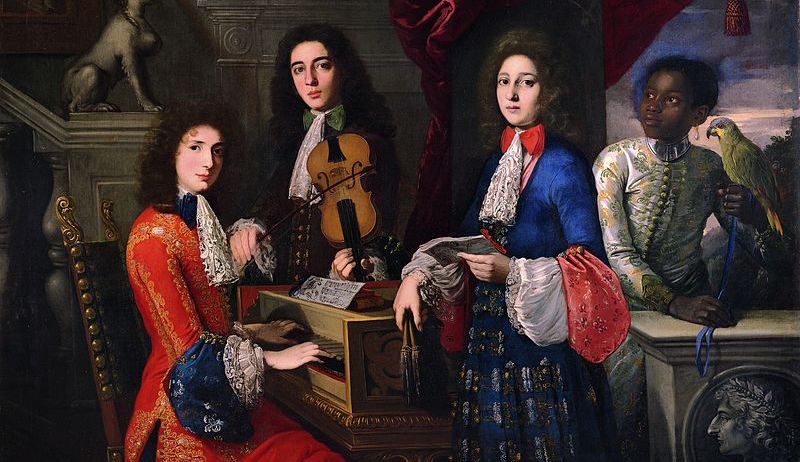
La musica lirica nasce a Firenze alla fine del ‘500, con l’idea di unire tante arti diverse: la musica, la danza, la poesia e il teatro. 

In poco tempo ottiene un grande successo, e diventa popolare in tutta Europa.

Keywords

il canto lirico: opera singing – 抒情歌唱

il Patrimonio dell’Umanità: World Heritage – 世界文化遗产

la forma d’arte: art form – 艺术形式

immateriale: intangible, immaterial – 非物质 , 无形的

unire: to unite – 统一

la danza: dance – 舞蹈

Grammar

Il prefisso negativo “im”
Negative prefix “im”

“i patrimoni immateriali dell’Italia sono 17
(Italy’s intangible heritages are 17”

In Italian, the prefix “im-” is added to certain adjectives to create the opposite or negation of the original adjective.
In the specific case of immateriale, the prefix “im-” is added to the adjective materiale (material, tangible). For example:

  • perfetto/a (perfect) → imperfetto/a (imperfect)
  • possibile (possible) → impossibile (impossible)
  • mobile (movable) → immobile (immovable)
  • popolare (popular) → impopolare (unpopular)

Translation

Italian opera singing has become a UNESCO World Heritage.

It’s a great success for this Italian art form, now popular worldwide.

Now, Italy’s “intangible” heritages are 17, including the art of Neapolitan pizza.

Opera originates in Florence at the end of the 16th century, with the idea of combining various arts: music, dance, poetry, and theater.

In a short time, it achieved great success and became popular throughout Europe.

Quiz

Pronti?