Donna porta via 8 tonnellate di rifiuti dall’Everest

Woman clears 8 tonnes of rubbish from Mt Everest

Marion Chaygneaud Dupuy è una alpinista ed attivista francese di 39 anni, fresca vincitrice del premio “Terres de Femme”, un riconoscimento che celebra ogni anno le donne impegnate in progetti in favore della biodiversità e della sostenibilità ambientale. 

Il progetto vincente di Marion, “Clean Everest” ha richiesto ben tre anni di sforzi ma si è rivelato un successo: l’alpinista transalpina e la sua squadra hanno tolto dalla vetta del mondo oltre 8 tonnellate di rifiuti, una quantità pari a tre quarti del totale presente su tutta la montagna. 

Una vera e propria impresa, anche per Marion che ha scalato l’Everest già tre volte. E proprio da queste spedizioni nasce il suo sogno: “Nel 2013, quando sono arrivata in cima, mi sono resa conto di come 30 anni di spedizioni avessero danneggiato la montagna. quasi dieci tonnellate di rifiuti erano stati buttati solo sulle vette! Sono rimasta scioccata”. 

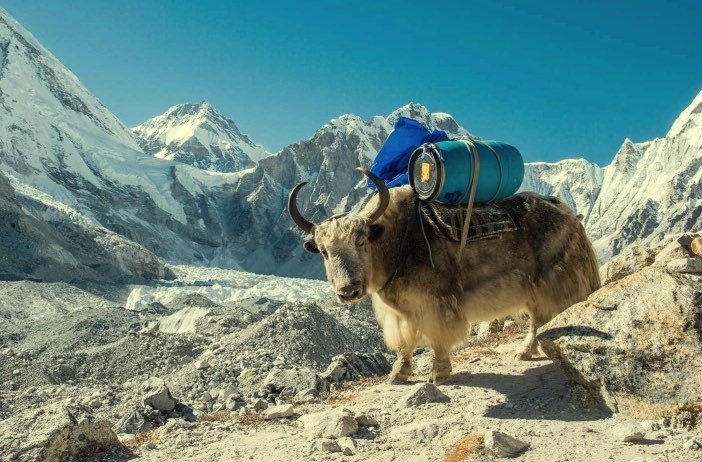
così, Marion ha dato vita al progetto “Clean Everest” ed è riuscita a coinvolgere le autorità locali nel progetto, le quali hanno messo a disposizione una cinquantina di yak per trasportare i rifiuti giù dalla montagna. 

Ma questo, per Marion, non è altro che l’inizio: “Il mio obiettivo è finire di ripulire l’Everest, in modo da poter estendere il processo di gestione dei rifiuti all’intero Himalaya”.

Un progetto di vitale importanza non solo per la salute delle montagne: l’inquinamento della catena montuosa, infatti, ha un impatto diretto sulla qualità dell’acqua potabile utilizzata da quasi due miliardi di persone in Cina e in India.

Keywords

alpinista: mountaineer, alpinist – 登山者

attivista: activist – 活动家

la biodiversità: biodiversity – 生物多样性

la sostenibilità ambientale: environmental sustainability – 环境可持续性

transalpino/a: transalpine, French – (阿尔卑斯山)过山的, 法国的

la vetta: summit, peak – 顶, 尖, 山峰

danneggiare: (to) damage – 损坏

i rifiuti: rubbish, litter – 垃圾

l’ inquinamento: pollution – 污染

Grammar

Congiuntivo Imperfetto
Imperfect Subjunctive

The imperfect subjunctive is mostly used for events or actions taking place at the SAME TIME as the action of the main verb IN THE PAST, to talk about what you wanted someone to do or things to be. Hence, it usually agrees with the Indicative Imperfect:

– Speravo (imp.) che tu CAPISSI (imp.)
=
I hoped you UNDERSTOOD

– Non sapevo (imp.) che ci FOSSI (imp.) anche tu!
= I didn’t know you were there too!

Translation

Marion Chaygneaud Dupuy is a 39-year-old French mountaineer and activist, who has just won the “Terres de Femme” prize, an award that celebrates women committed to projects for biodiversity and environmental sustainability.

Marion’s winning project, “Clean Everest,” took three years of effort but proved to be a success: the French mountaineer and her team removed over 8 tons of waste from the top of the world, equivalent to three-quarters of the total waste on the entire mountain.

It was a real feat, even for Marion, who has already climbed Everest three times. And it was precisely from these expeditions that her dream was born: “In 2013, when I reached the summit, I realized how 30 years of expeditions had damaged the mountain. Almost ten tons of waste had been dumped on the peaks! I was shocked.”

So, Marion launched the “Clean Everest” project and managed to involve local authorities in the project, who provided about fifty yaks to transport the waste down from the mountain.

But for Marion, this is just the beginning: “My goal is to finish cleaning up Everest so that I can extend the waste management process to the entire Himalayas.”

A project of vital importance not only for the health of the mountains: pollution in the mountain range has a direct impact on the quality of drinking water used by nearly two billion people in China and India.