
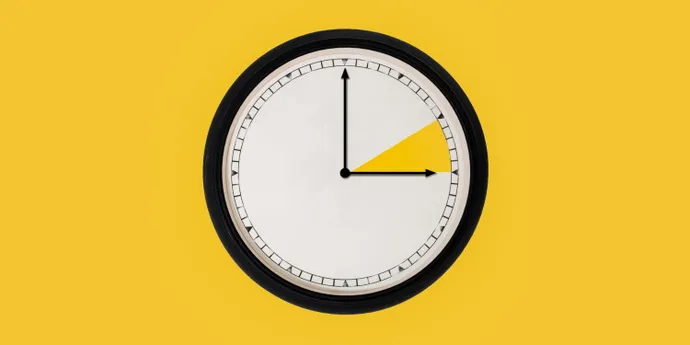
È tornata l’ora legale

Daylight saving time just started

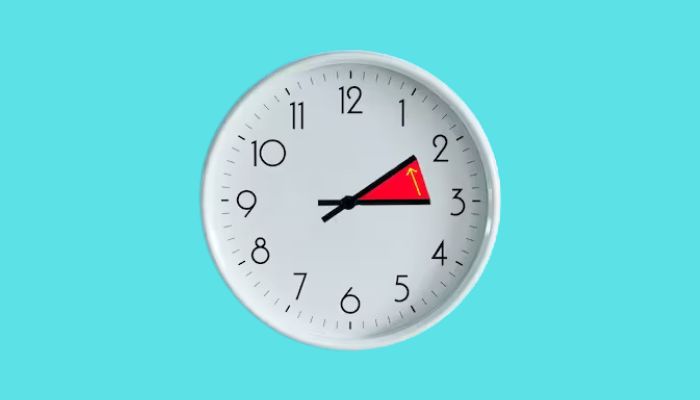
La notte tra sabato 30 e domenica 31 marzo torna l’ora legale: alle 2 di notte, l’orologio va avanti di un’ora, cioè alle 3. 

Per una notte, quindi, dormiamo un’ora in meno. però abbiamo più luce la sera.

questo cambio di orario aiuta ad avere più luce durante l’estate, e usare meno elettricità.

molti paesi in Europa fanno la stessa cosa, ma Tanti altri paesi nel mondo, per esempio India, Russia, Argentina, non cambiano l’ora.

Read intermediate | advanced levels
Keywords

ora legale (daylight saving time)
Example: Domani torna l’ora legale.

elettricità (electricity)
Example: Dobbiamo usare meno elettricità.

orario (hour)
Example: Il mio orario di lavoro cambia spesso.

Grammar

Le ore
The hours

In Italian, the definite article “le” is used to indicate specific hours, such as “le 10” or “le 20”.
This is because the word “ore” is a feminine noun and requires the feminine plural article “le” to agree in gender and number.

On the other hand, when we say “alle 20”, we are specifying a particular time at which an event occurred or will occur: for example, “l’aereo parte alle 20” (the plane leaves at 8 pm).
The compound preposition “alle” is a contraction of the preposition “a” (to, at) and the feminine article “le” (the).
So, when we say alle 21, we are literally saying at the 21st hour. Let’s see some examples:

– Sono le due del pomeriggio. (It’s two in the afternoon.)
– Sono le sei di sera. (It’s six in the evening.)
– Alle tre di pomeriggio ho un appuntamento. (I have an appointment at three in the afternoon.)
– Stasera alle nove esco con gli amici. (I’m going out with friends at nine this evening.)

Translation

On the night between Saturday, March 30th, and Sunday, March 31st, daylight saving time returns: at 2 AM, the clock moves forward by one hour, so it becomes 3 AM.

For one night, therefore, we sleep one hour less. However, we have more light in the evening.

This change in time helps to have more daylight during the summer and use less electricity.

Many countries in Europe do the same thing, but many other countries in the world, for example, India, Russia, Argentina, do not change the time.

Quiz

Pronti?
