
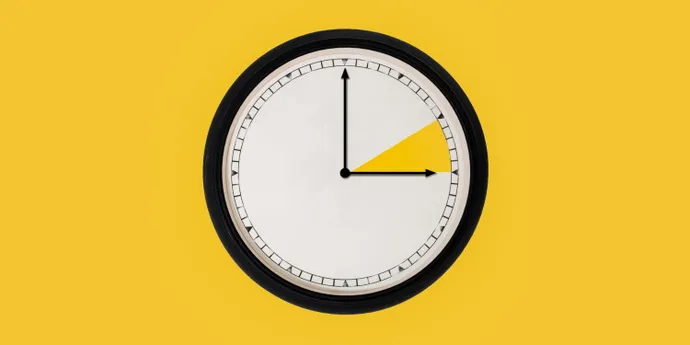
È tornata l’ora legale

Daylight saving time just started

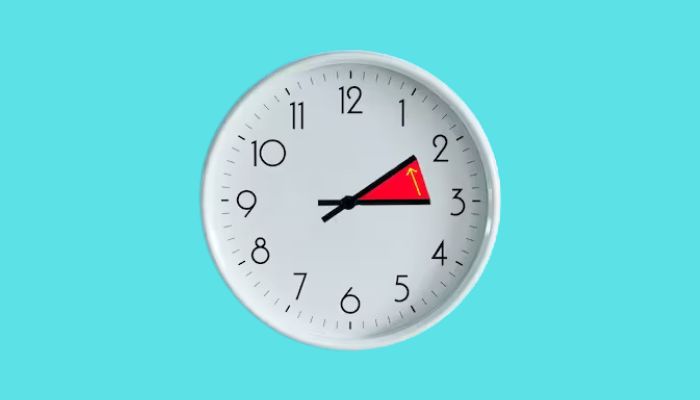
La notte tra sabato 30 e domenica 31 marzo è tornata l’ora legale: alle 2 di notte, abbiamo messo l’orologio avanti di un’ora, cioè alle 3. 

Per una notte, quindi, abbiamo dormito un’ora in meno, ma avremo più luce al tramonto per i prossimi mesi.

Spostare gli orologi un’ora in avanti durante il periodo estivo serve, infatti, a usare di più la luce solare e usare meno energia elettrica.

Il cambio tra ora legale e ora solare non avviene solo in Italia: quasi tutti i paesi in Europa lo fanno, mentre per esempio India, Russia, Argentina e quasi tutta l’Africa, non lo fanno.

Read elementary | advanced levels
Keywords

ora legale (daylight saving time)
Definition: il periodo dell’anno in cui l’orario viene spostato un’ora in avanti per sfruttare maggiormente la luce solare.
Example: Ieri notte è tornata l’ora legale.

tramonto (sunset)
Definition: il momento in cui il sole scompare sotto l’orizzonte.
Example: Amo guardare il tramonto sulla spiaggia.

energia elettrica (electricity)
Definition: l’energia che produce elettricità.
Example: Dobbiamo risparmiare energia elettrica.

Grammar

Infinito VS Gerundio

“Spostare gli orologi…”
(Moving the clocks…)

In English, the gerund form (-ing) can be used as a NOUN. In Italian the infinitive is used in the same way:

– ASCOLTARE la musica è rilassante (LISTENING to music is relaxing)
– CAMMINARE fa bene alla salute (Walking is good for health)

Translation

On the night between Saturday, March 30th, and Sunday, March 31st, daylight saving time returned: at 2 AM, we moved the clock forward by one hour, so it became 3 AM.

For one night, therefore, we slept one hour less, but we will have more light at sunset for the next months.

Moving the clocks one hour forward during the summer period serves, indeed, to make more use of sunlight and use less electricity.

The switch between daylight saving time and standard time does not only happen in Italy: almost all countries in Europe do it, while for example, India, Russia, Argentina, and almost all of Africa do not.

Quiz

Pronti?
