
La conquista dell’Everest, 70 anni fa

The conquest of Everest, 70 years ago

“Perché è lì!”.

così rispondeva George Mallory, mitico alpinista inglese, quando gli chiedevano perché era così determinato a scalare l’Everest. Era il 1923. L’anno dopo, Mallory è morto proprio mentre cercava di conquistare la cima di quella montagna.

Il sogno di scalare la montagna più alta del mondo, però, non è morto con Mallory. anzi.

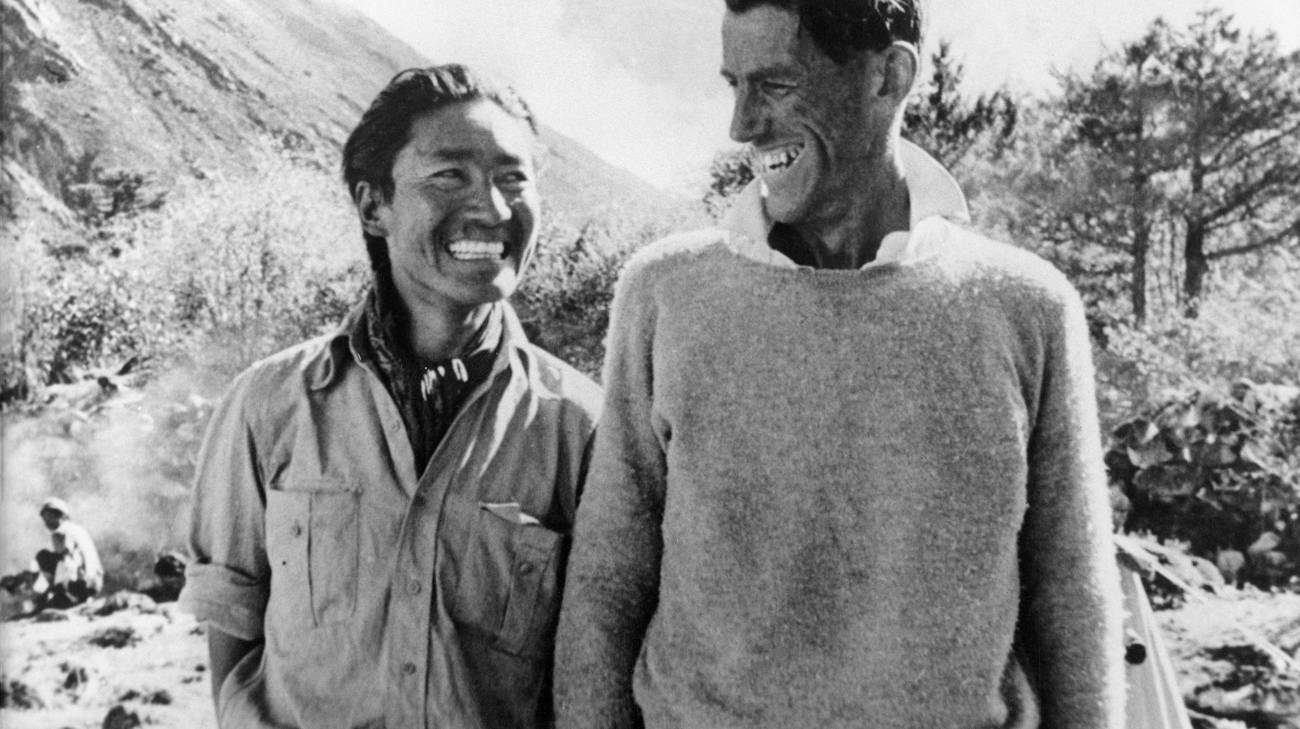
Trent’anni dopo, il neozelandese Edmund Hillary e il nepalese Tenzing Norgay entrano ufficialmente nei libri di storia: sono stati loro i primi a raggiungere la vetta dell’Everest. 

sono le 11:30 del 29 maggio 1953, quando i due raggiungono gli 8.849 metri. Scattano qualche foto. Hillary lascia una croce sulla cima, Norgay lascia dei dolci come offerta a Qomolangma, la “divinità madre del mondo”, il nome tibetano dell’Everest. 

rimangono circa 15 minuti sulla vetta. poi iniziano la discesa.
Keywords

l’ Everest: Mount Everest – 珠穆朗玛峰

alpinista: mountaineer – 登山者

scalare: to climb – 攀登

conquistare: to conquer – 征服

la cima: summit – 山顶

neozelandese: New Zealander – 新西兰人

nepalese: Nepali – 尼泊尔人

la vetta: peak – 高峰

tibetano/a: Tibetan – 藏族的

la divinità: deity – 神灵

Grammar

Passato prossimo VS imperfetto?

“Mallory è morto proprio mentre cercava di conquistare la cima di quella montagna”
(Mallory died while attempting to reach the summit of that mountain)

In this sentence, both the imperfetto (imperfect) and passato prossimo (present perfect) tenses are used to convey different aspects of the action.

The imperfetto tense “cercava (di)“ (he was attempting) is used to describe an ongoing or habitual action in the past. It indicates that Mallory was in the process of attempting to reach the summit at that time.
The imperfetto is often used for background information, providing context or setting the scene.

On the other hand, the passato prossimo tense “è morto” (he died) is used to indicate a completed action in the past. It emphasizes the result or outcome of Mallory’s attempt, that he ultimately died.
The passato prossimo is commonly used to express specific events or actions that have occurred and are viewed as a whole.

In this sentence, the imperfetto sets the stage by describing Mallory’s ongoing attempt, while the passato prossimo highlights the final outcome of his endeavor.

Here are some more examples:


  • Mentre camminavo per la strada, ho incontrato un vecchio amico (While I was walking down the street, I met an old friend)
    Imperfetto: camminavo (ongoing action in the past)
    Passato prossimo: ho incontrato (specific event that occurred)


  • Quando ero giovane, ho vissuto in Francia per un anno (When I was young, I lived in France for a year)
    Imperfetto: ero (ongoing state or condition in the past)
    Passato prossimo: ho vissuto (specific event that occurred)


  • Mi sono addormentato mentre leggevo (I fell asleep while reading)
    Imperfetto: leggevo (ongoing action in the past)
    Passato prossimo: mi sono addormentato (specific event that occurred)

Translation

“Why is it there?” This was George Mallory’s response, the legendary English mountaineer, when asked why he was so determined to climb Everest. It was 1923. The following year, Mallory died while attempting to conquer the summit of that mountain.

However, the dream of climbing the world’s highest mountain did not die with Mallory. On the contrary.

Thirty years later, New Zealander Edmund Hillary and Nepalese Tenzing Norgay officially entered the history books: they were the first to reach the summit of Everest.

It is 11:30 on May 29, 1953, when the two reach the height of 8,849 meters. They take some photos. Hillary leaves a cross on the peak, while Norgay leaves sweets as an offering to Qomolangma, the “mother goddess of the world,” the Tibetan name for Everest.

They spend about 15 minutes on the summit. Then they begin the descent.