
La conquista dell’Everest, 70 anni fa

The conquest of Everest, 70 years ago

quando chiedono a George Mallory, famoso alpinista inglese, perché desidera conquistare l’Everest così tanto, Mallory risponde: “Perché è lì!”.

È il 1923. L’anno dopo, nel 1924, Mallory muore proprio mentre cerca di raggiungere la cima dell’Everest.

Il sogno di scalare la montagna più alta del mondo, però, non muore con Mallory. anzi.

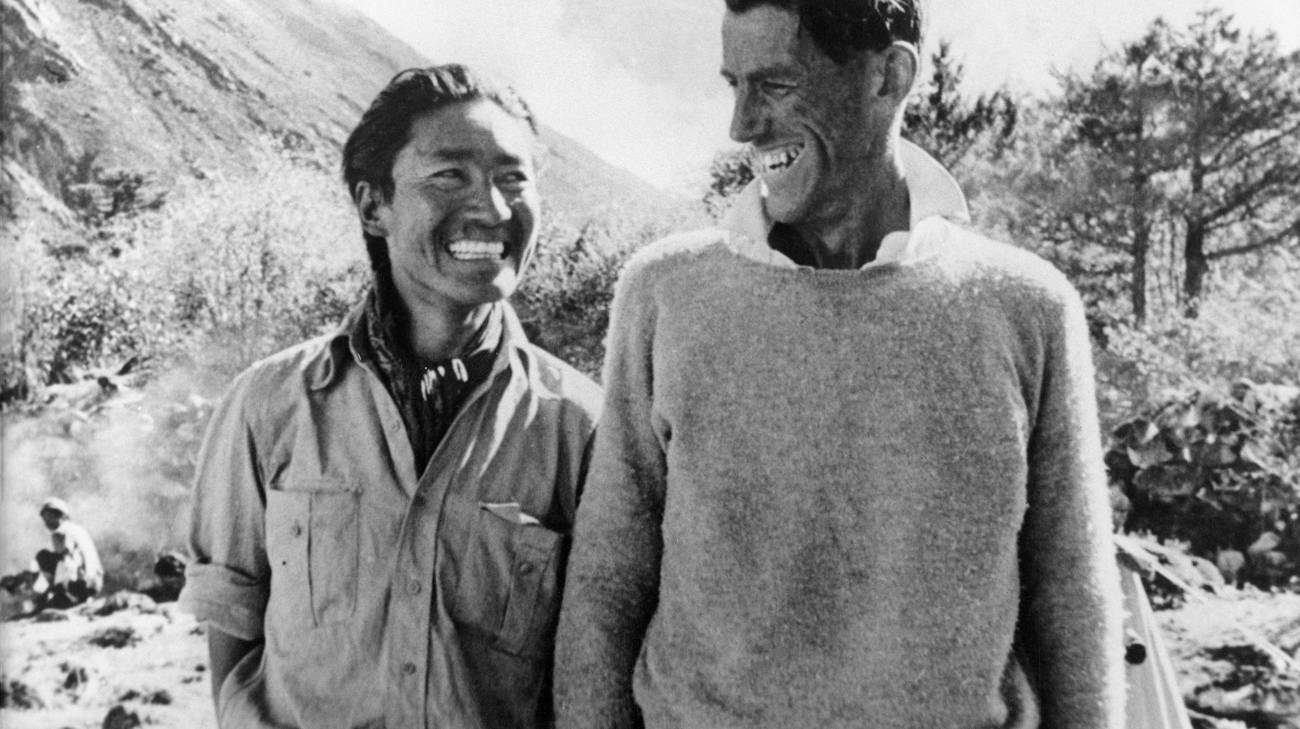
Trent’anni dopo ci riescono Edmund Hillary e Tenzing Norgay: sono i primi a raggiungere la vetta dell’Everest.

Sono le 11:30 del 29 maggio 1953, quando Hillary e Norgay arrivano a 8.849 metri. Scattano un po’ di foto. Hillary lascia una croce nella neve, mentre Norgay lascia dei dolci per Qomolangma, la “dea madre del mondo”, il nome dell’Everest in tibetano. 

rimangono lì circa 15 minuti. poi iniziano la discesa.
Keywords

l’ Everest: Mount Everest – 珠穆朗玛峰

alpinista: mountaineer – 登山者

scalare: to climb – 攀登

la cima: summit – 山顶

neozelandese: New Zealander – 新西兰人

nepalese: Nepali – 尼泊尔人

la vetta: peak – 高峰

tibetano/a: Tibetan – 藏族的

la divinità: deity – 神灵

Grammar

Uses of “mentre”

The word “mentre” can have different meanings depending on its context. In the article there are two instances of “mentre” with different meanings:


  • “Mallory muore proprio mentre cerca di raggiungere la cima dell’Everest” (Mallory dies while he is trying to reach the summit of Everest).

In this case, “mentre” is used to indicate a simultaneous action or event. It highlights that Mallory’s death occurred during the time he was attempting to reach the summit.
Example: Mentre cucino la cena, ascolto la musica. (While I am cooking dinner, I listen to music.)


  • “Hillary lascia una croce nella neve, mentre Norgay lascia dei dolci per Qomolangma” (Hillary leaves a cross in the snow, while Norgay leaves sweets for Qomolangma).

In this case, “mentre” is used to express a difference or contrast between two actions or preferences occurring simultaneously. It adds a layer of comparison and highlights the distinction between the two elements being mentioned.
Example: A me piace il calcio, mentre mio fratello preferisce il basket (I like soccer, while my brother prefers basketball.)

Translation

When asked why he desires to conquer Everest so much, George Mallory, the famous English mountaineer, replies, “Because it’s there.”

It is 1923. The following year, in 1924, Mallory dies while attempting to reach the summit of Everest.

However, the dream of climbing the world’s highest mountain does not die with Mallory. On the contrary.

Thirty years later, Edmund Hillary and Tenzing Norgay succeed: they are the first to reach the summit of Everest.

It is 11:30 on May 29, 1953, when Hillary and Norgay reach 8,849 meters. They take some photos. Hillary leaves a cross in the snow. Norgay leaves sweets for Qomolangma, the “mother goddess of the world,” the Tibetan name for Everest.

They stay there for about 15 minutes. Then they begin the descent.