Torna l’ora solare, domenica orologio indietro di un’ora

Standard time is back, on Sunday set clock back 1h

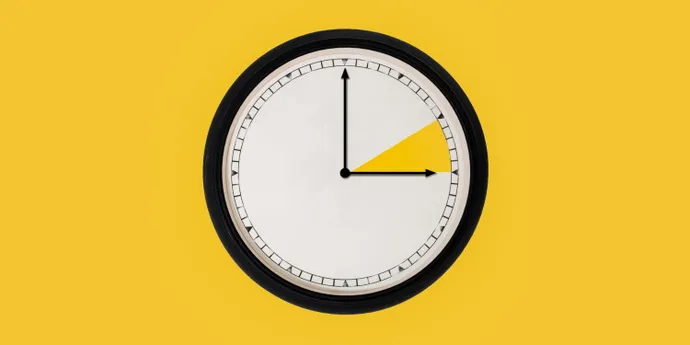
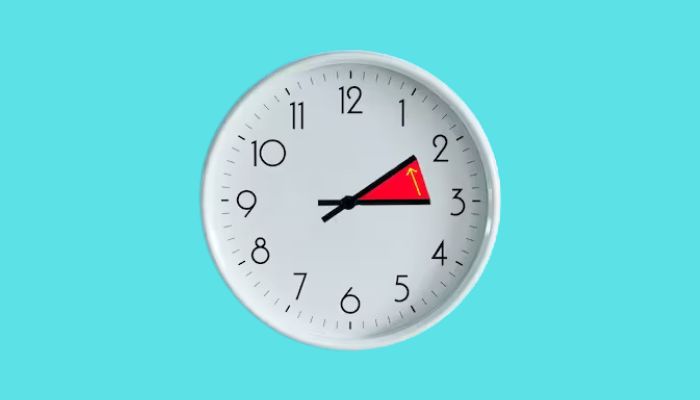
Nella notte tra sabato 28 e domenica 29 ottobre tornerà l’ora solare: alle 3 di notte, bisognerà Spostare l’orologio indietro di un’ora, cioè alle 2. avremo quindi un’ora in più di sonno.

Lo svantaggio però sarà che avremo un’ora di luce in meno, e farà buio prima.

L’ora solare durerà fino a domenica 31 marzo 2024, quando tornerà l’ora legale.

ma a cosa serve questo cambio? L’ora legale permettere di usare più luce naturale, e quindi di risparmiare elettricità.

L’ora legale è nata durante la Prima guerra mondiale proprio per consumare meno energia.

Keywords

l’ora solare: standard time – 标准时间

spostare: to move – 移动

le lancette: the hands (of the clock) – 表针

lo svantaggio: disadvantage – 缺点

l’ ora legale: daylight saving time – 法定时, 夏令时

risparmiare: to save – 节省

consumare: to consume – 耗费, 消耗

Grammar

Il verbo “bisognare”
How to use the verb “bisognare”

“bisognerà spostate l’orologio indietro di un’ora”
(you will need to move the clock back one hour)

In Italian the verb “bisognare” is impersonal: this means that it can be only used in the third person singular. It has two primary forms:

1. BISOGNA + INFINITIVE → used to talk generally, to refer to everybody:
– Per godersi la vita BISOGNA essere ricchi! (To enjoy life you NEED to be rich)

2. BISOGNA CHE + SUBJUNCTIVE → used to refer to a particular subject:
– Se stai male, BISOGNA CHE tu vada dal dottore! (If you’re sick, you NEED to go to the doctor)

Translation

During the night between Saturday, October 28, and Sunday, October 29, standard time will return: at 3 in the morning, you will need to move the clock back one hour, to 2. This means we will have an extra hour of sleep.

However, the disadvantage is that we will have one less hour of daylight, and it will get dark earlier.

Standard time will last until Sunday, March 31, 2024, when daylight saving time will return.

But what is the purpose of this change? Daylight saving time allows us to use more natural light, and therefore save electricity.

Daylight saving time was actually born during World War I to consume less energy.

Quiz

Pronti?