Superlativo
Superlative
In this sentence, “il più alto” and “uno dei più attivi” are both examples of superlatives, which are used to indicate that something is at the top of a particular quality or characteristic.
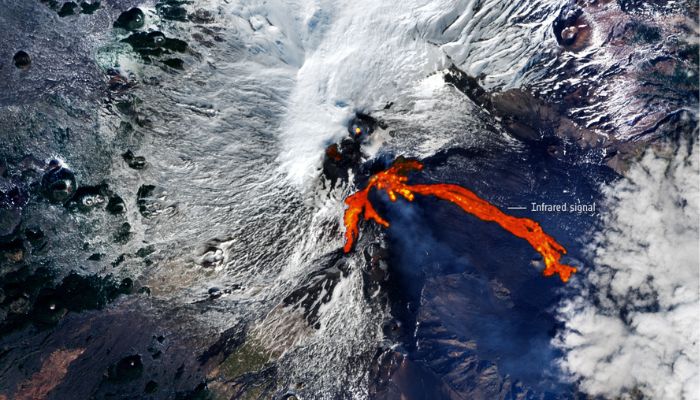
“Il più alto” means “the tallest” and is used to indicate that the Etna is the volcano with the highest altitude in Europe. It’s a definite superlative, meaning that it refers to a specific thing.
“Uno dei più attivi” means “one of the most active” and is used to indicate that the Etna is among the volcanoes with the highest frequency of eruptions in the world. It’s an indefinite superlative, meaning that it refers to a general group of things.
In both cases, the superlative is formed by adding the definite or indefinite article, “il” or “uno dei”, before the comparative form of the adjective, “più alto” or “più attivi”.
Here are some examples:
- “Il Po è il più lungo fiume italiano (The Po is the longest Italian river)
- “Roma è la più bella città del mondo” (Rome is the most beautiful city in the world)
Più/Meno may follow the noun, in which case the article is not repeated:
– “Il Po è il fiume più lungo d’Italia” (The Po is the longest Italian river)
– “Roma è la città più bella del mondo” (Rome is the most beautiful city in the world)

 and
 in