Il verde ci rende più felici: lo dice Twitter

Twitter study shows green spaces make people happy

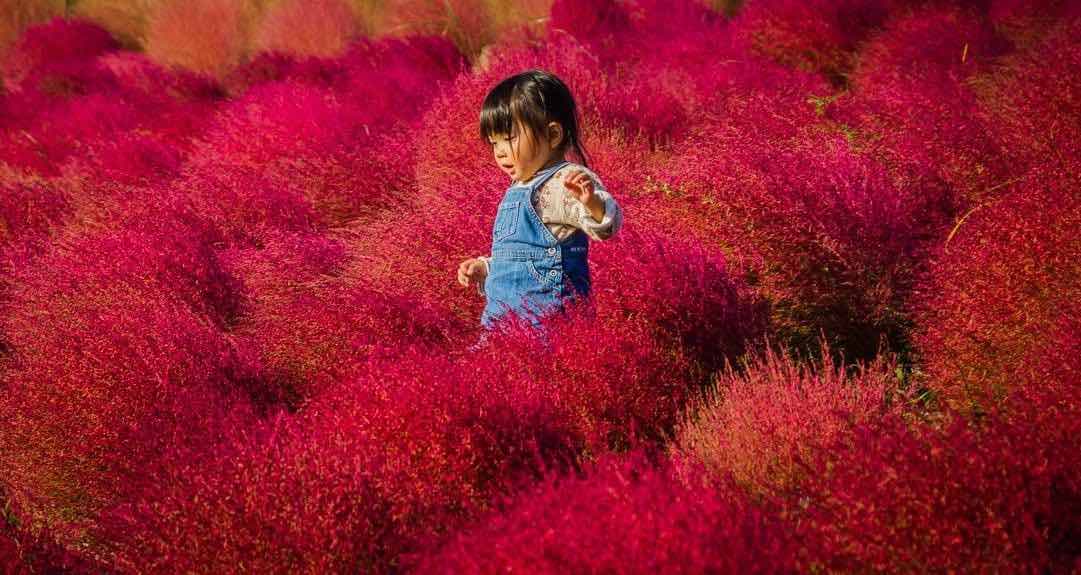
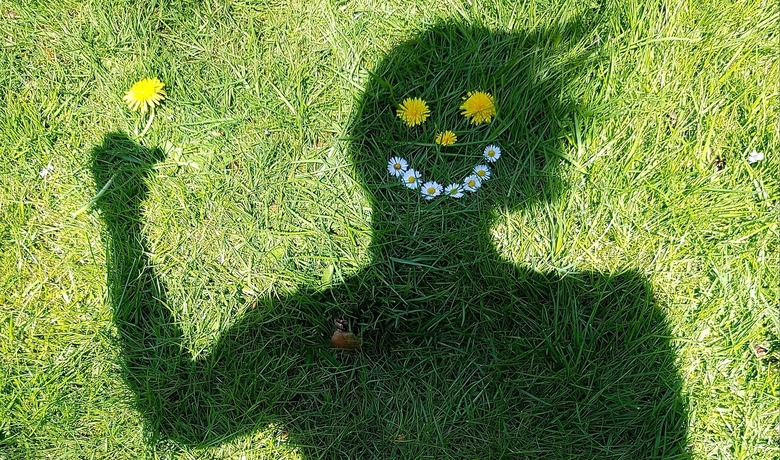
Stare in mezzo alla natura fa felici le persone?
secondo una ricerca dell’Università del Vermont negli Stati Uniti, la risposta è sì. 

Per capire se è vero, gli scienziati hanno studiato i tweet di quasi 5000 persone a San Francisco, in California. La ricerca è del 2016, da maggio a giugno.

Gli esperti hanno studiato i tweet e hanno dato un punteggio da 0 a 10 alle parole: “Sole”, “fiore” e “bello” hanno un punteggio positivo, mentre parole come “traffico” e “triste” sono negative.

Secondo Questi dati, quando le persone si trovano in un parco o in un giardino sono più felici.

anche se ha molti limiti, questo studio conferma quello che dicono molti medici: stare all’aria aperta fa bene all’umore!


Keywords

in mezzo a: in the middle of – 在…中间

la natura: nature – 自然

secondo: according to – 根据

gli scienziati: scientists – 科学家

la ricerca: research – 研究

il punteggio: score – 得分

positivo/a: positive – 积极的

negativo/a: negative – 消极的

trovarsi: to be, to stay – 呆在

il parco: park – 公园

il giardino: garden – 花园

stare all’aria aperta: to be outside – 在户外

fa bene (a): is good for – 对…有益

Grammar

Secondo = according to

“Secondo una ricerca dell’Università…”
(According to a study from the University…)

In this sentence, “secondo” is a prepotiion used to express the source of information, opinion, or basis for a statement.
Here’s an example:

  • Secondo il mio parere, questo film è eccellente. (According to my opinion, this film is excellent.)


”Secondo” can also be used as an ordinal number, meaning “second.”
Here’s an example:

  • Il mio secondo libro preferito è “Orgoglio e pregiudizio” (My second favorite book is “Pride and Prejudice.”)


In summary, “secondo” can function as both a preposition and an ordinal number, with different meanings in each context.

Translation

Does staying in the middle of nature make people happy?
According to a research from the University of Vermont in the United States, the answer is yes.

To find out if it’s true, scientists studied the tweets of almost 5000 people in San Francisco, California. The research was conducted from May to June 2016.

The experts analyzed the tweets and gave a score of 0 to 10 to words: “sun,” “flower,” and “beautiful” received a positive score, while words like “traffic” and “sad” were negative.

According to this data, people are happier when they are in a park or garden.

Although this study has many limitations, it confirms what many doctors say: being outside is good for you!